Family Style Restaurant Design - A Comprehensive Guide
Family Style Restaurant Design - A Comprehensive Guide
Walk into almost any successful family restaurant and you'll notice something before you even open the menu. The room feels familiar. Guests know where to wait, where to sit, and where to look. Some settle into a booth with the morning paper, while others gather around a larger table after church or a weekend ball game. Nobody seems to be rushing through the meal, and somehow that pace spreads through the entire dining room.
That feeling isn't accidental. The physical environment of a restaurant plays an important role in how guests experience the meal and how they remember the visit. Seating, layout, lighting, and the overall condition of the dining room all shape the experience long before the first plate reaches the table. For family restaurants, those details often become part of the reason guests come back week after week.
This guide explores the design decisions behind that experience. From restaurant booths and commercial restaurant furniture to lighting, layouts, and the small details guests rarely notice consciously, every element contributes to creating a place where people are happy to linger over another cup of coffee before heading home.
Why Some Family Restaurants Become Part of People's Lives
There are restaurants people enjoy, and then there are restaurants people simply keep returning to. Years later, the menu may have changed, the booths may have been reupholstered, and a new generation may be sitting at the same tables, yet the experience somehow feels familiar. Those restaurants become part of everyday life, not because they are extraordinary, but because they consistently feel welcoming and authentic.
That loyalty is built one ordinary visit at a time. Breakfast after church becomes a weekly tradition. Friends choose the same corner booth to catch up over coffee. Parents bring their children to the restaurant they grew up visiting themselves. None of those moments are planned, yet together they create something every restaurant owner hopes to earn: a place in the community rather than simply another place to eat.
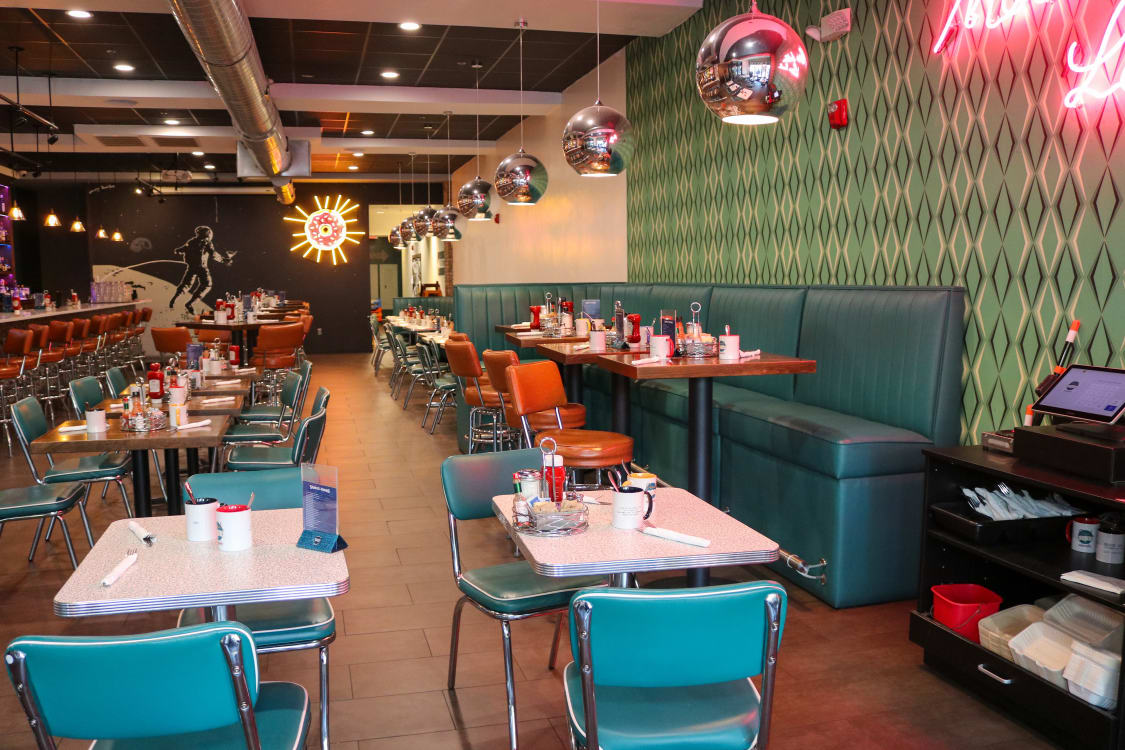
Big Bad Breakfast installation furnished by RestaurantFurniture.net. Click the image above to view the full project.
Food may bring guests through the front door, but the dining room often determines how long they stay and whether they decide to come back. Comfortable restaurant booths, recognizable seating, practical layouts, and an atmosphere that feels easy to settle into all work together to encourage one more conversation, another cup of coffee, or dessert before heading home. Over time, those small decisions become habits, and those habits become loyal customers.
Comfort Begins Before Guests Sit Down
Before guests notice the menu or order a cup of coffee, they're already forming an opinion about the restaurant. A welcoming entrance, clear sightlines, and comfortable seating help people settle in almost immediately. They know where to wait, where to sit, and how the dining room works without having to think about it.
That loyalty is built one ordinary visit at a time. Breakfast after church becomes a weekly tradition. Friends choose the same corner booth to catch up over coffee. Parents bring their children to the restaurant they grew up visiting themselves. None of those moments are planned, yet together they create something every restaurant owner hopes to earn: a place in the community rather than simply another place to eat.
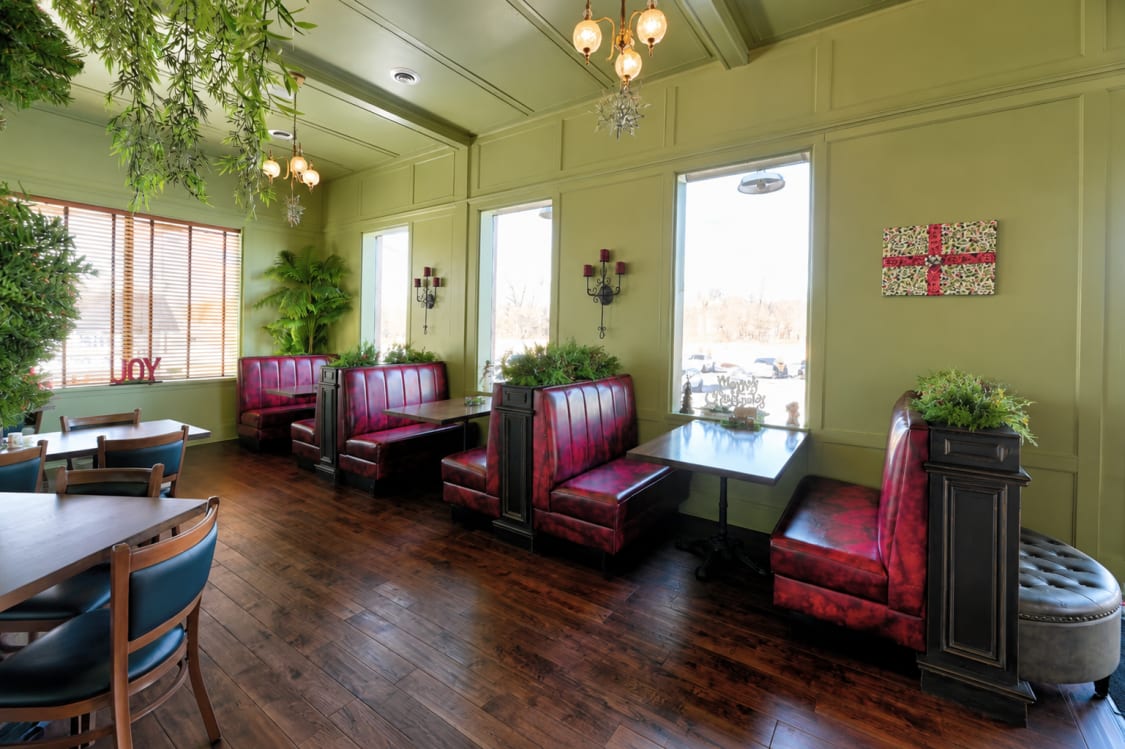
Rivers Edge installation furnished by RestaurantFurniture.net. Click the image above to view the full project.
Family restaurants rarely surprise guests with dramatic design. Instead, they rely on consistency. Comfortable restaurant booths, visible activity throughout the dining room, and layouts that feel easy to navigate all contribute to an experience that feels natural from the moment guests arrive.
A
Make the Entrance Easy to Understand
Guests should immediately recognize where to wait, where to check in, and how to reach the dining room. Clear circulation creates confidence before the first interaction with staff.
B
Let Guests See the Dining Room
Visible booths, occupied tables, and activity throughout the restaurant create reassurance that people are enjoying themselves. Seeing the dining room before being seated helps guests feel comfortable almost instantly.
C
Create Familiar Seating Choices
A balanced mix of restaurant booths and tables gives guests options while making the dining room feel approachable. Many guests naturally gravitate toward booths, while others prefer open tables with a broader view of the room.
D
Remove Unnecessary Decisions
The best family restaurant layouts feel intuitive. Guests shouldn't have to wonder where to stand, which direction to walk, or whether they're interrupting staff as they move through the dining room.
Design Takeaway
Comfort often begins with simple decisions that guests never consciously notice. When the entrance feels organized and the dining room feels easy to understand, people relax without realizing why.
One Dining Room - Hundreds of Different Moments
A well-designed family restaurant rarely changes throughout the day, yet the experience inside it is constantly evolving. The same dining room welcomes early-morning regulars stopping in for coffee, coworkers meeting over breakfast, parents grabbing lunch with young children, and families celebrating birthdays long after the dinner plates have been cleared. Morning after morning, the same dining room welcomes an entirely different collection of conversations, celebrations, and routines.
That ability to serve so many different occasions is what makes family restaurants unique. Guests arrive with different reasons for visiting, but they all expect the same thing when they walk through the door: a comfortable place to sit, an easy conversation, and a dining room that feels consistently welcoming every time they return.
Morning
Morning brings a different rhythm to the dining room. Regular customers gather over coffee, neighbors catch up before work, and breakfast meetings linger a little longer than planned. Natural light, comfortable restaurant booths, and seating arranged for conversation create an atmosphere that feels relaxed without ever feeling empty. The pace is slower, but the room is already doing exactly what it was designed to do.
Afternoon & Evening
As the day moves on, the conversations change, but the dining room continues to serve the same purpose. Families celebrate birthdays, little league teams stop in after the game, and larger groups gather around pushed-together restaurant tables for dinner and dessert. The furniture hasn't changed, yet the room adapts naturally because it was designed to support everyday life instead of one specific occasion.
A family restaurant does not have one single type of guest. The same table that hosts a quiet breakfast conversation may later become the center of a family celebration or a larger group gathering. Planning for those different moments begins with understanding how each guest uses the space.
Guest
What they're Looking For
Design Response
Morning Regular
Familiar surroundings and a quiet place to enjoy coffee
Comfortable booths near natural light
Family with Children
Room to gather without feeling crowded
Restaurant booths and flexible table layouts
Couple
Comfortable conversation
Two-top restaurant tables with appropriate spacing
Large Group
Easy interaction during shared meals
Tables that can accommodate larger parties without disrupting circulation
Watch a family restaurant during a busy weekend breakfast and you'll notice guests making the same choices again and again. Some head straight for a booth, while others look for a table near the window or a cozy corner of the dining room. Those small preferences reveal an important truth about how people experience restaurant seating.
Why We Choose Certain Seats
Spend enough time in a family restaurant and you'll begin to recognize the regulars. Some always ask for the booth along the wall. Others head for the table near the window without looking around the room. It isn't reserved, and no one tells them to sit there. After enough visits, that seat simply becomes part of the routine.
At first glance, those habits are easy to overlook. In reality, they reveal something interesting about the way people experience familiar places. Returning to the same seat removes one small decision from the visit. Guests already know what the view looks like, where the sunlight falls, how close they are to the entrance, and whether the space feels comfortable for the conversation they're about to have. Without realizing it, they've made that seat part of the experience they came back for.
The Psychology of Place Attachment
Environmental psychologists use the term place attachment to describe the emotional connection people develop with specific places through repeated positive experiences. As those experiences accumulate, familiar environments become associated with routines, relationships, and personal memories, increasing both comfort and the likelihood of returning.
In family restaurants, place attachment often develops gradually. A favorite booth, a preferred table, or even a favorite view across the dining room can become part of the experience guests expect each time they visit, strengthening long-term customer loyalty through repeated positive associations.
Source: Lewicka, M. (2011). Place Attachment: How Far Have We Come in the Last 40 Years? Journal of Environmental Psychology , 31(3), 207-230
Over time, the seat itself begins to carry its own history. A booth that has welcomed years of family breakfasts or a table where friends meet every Friday becomes the place guests naturally look for when they return. The furniture hasn't changed, but the meaning attached to it has.
For restaurant owners, that changes the way seating should be viewed. Restaurant booths, tables, and chairs aren't simply tools for maximizing capacity. They shape the setting where customers build habits, celebrate milestones, and create the experiences that bring them back. When the dining room supports those routines naturally, the furniture becomes one of the restaurant's quietest, yet most valuable, assets.
Furniture That Supports the Family Dining Experience
Every seating choice influences how guests use a family restaurant. Some spaces encourage conversation, others accommodate larger gatherings, while a few become familiar destinations for regular customers who return week after week. Understanding how people naturally use each area of the dining room makes it easier to select commercial restaurant furniture that supports both guest comfort and efficient daily service.
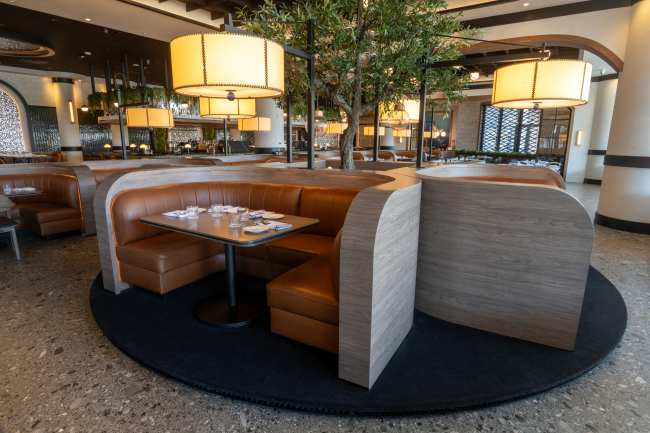
Creating comfortable spaces where conversations naturally last longer.
Booths have remained one of the defining features of family restaurants because they offer something guests instinctively appreciate: a comfortable sense of personal space. High backs soften surrounding noise, families can gather without feeling exposed, and conversations continue without the distractions often found in more open seating areas. For many guests, choosing a booth simply feels like settling in.
That comfort also benefits the restaurant. Booths maximize perimeter seating, accommodate a wide range of party sizes, and encourage guests to relax over another cup of coffee or dessert. Well-built commercial restaurant booths become part of the dining experience itself, creating welcoming places guests choose again and again.
Supporting everything from everyday breakfasts to family celebrations.
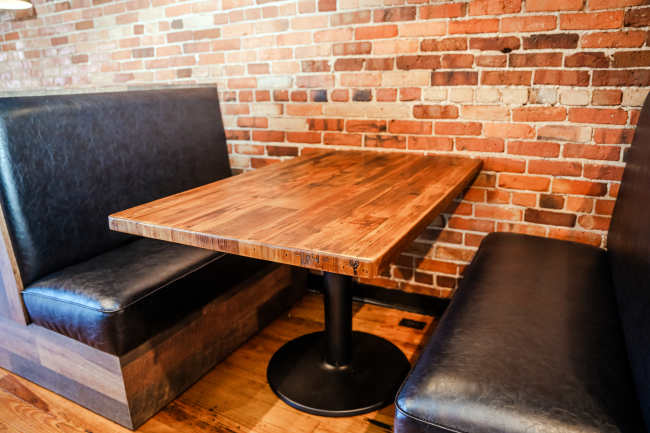
Restaurant tables provide the flexibility that allows a family dining room to adapt throughout the day. A two-top may host morning coffee, while neighboring tables are combined to accommodate birthday dinners or larger weekend gatherings. The ability to serve changing party sizes without disrupting the overall layout is one of the strengths of well-planned commercial restaurant furniture.
Selecting the right table involves more than choosing a shape or finish. Square, rectangular, and round restaurant tables each support different styles of dining, while durable table tops and dependable commercial table bases ensure the dining room continues performing through years of daily service.
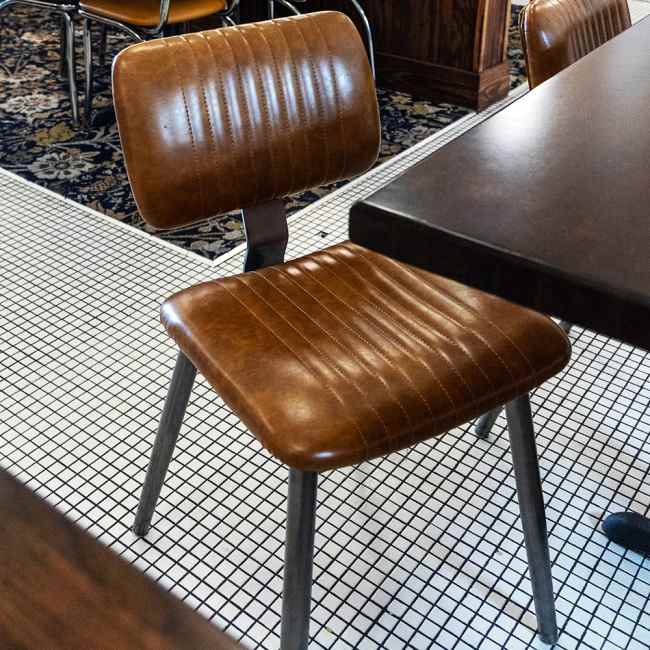
Providing flexibility without sacrificing comfort or durability.
Commercial restaurant chairs give family dining rooms the versatility to welcome every type of guest. Unlike fixed seating, they can easily accommodate changing party sizes, improve accessibility, and create additional seating wherever it's needed. Used alongside booths, they help maintain a balanced dining room that works equally well for couples, families, and larger groups.
Material selection also plays an important role. Wood chairs create a familiar appearance, metal frames offer exceptional durability, and upholstered seating adds comfort where guests are likely to spend more time. Together, these choices allow restaurant owners to balance maintenance, longevity, and the character of the dining room.
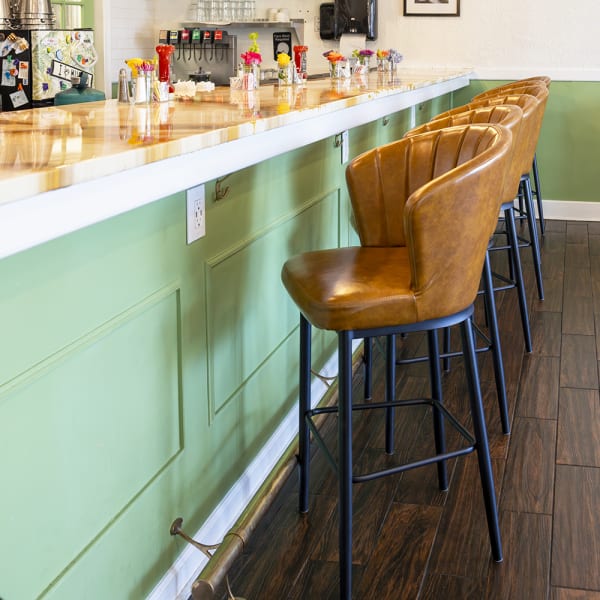
A place where familiar faces become part of the restaurant.
Counter seating has long held a unique place in family restaurants. Some guests stop in for a quick breakfast before work, while others return every morning for coffee and conversation. Over time, the counter develops its own rhythm as regular customers become familiar with both the staff and one another. Even first-time visitors often find the counter to be one of the easiest places to feel at home.
For restaurant owners, counter seating also serves a practical purpose. It welcomes solo diners without occupying larger tables, keeps the dining room active throughout the day, and makes efficient use of available space. Comfortable counter stools and a well-designed counter create an inviting place where regular customers naturally gather.
The most successful family restaurants rarely rely on one type of seating. Booths, tables, chairs, and counter seating each support a different part of the dining experience, creating a restaurant that feels comfortable no matter how guests choose to gather
Long-lasting comfort depends on more than the furniture itself. The materials, finishes, and lighting surrounding each seating area help reinforce the familiar atmosphere that encourages guests to return again and again.
Creating a Visual Identity That Feels Like Home
The restaurants people return to rarely depend on one decorative feature. They create a consistent environment where seating, lighting, materials, and architectural details work together to support the way guests experience the room.
Family restaurant interior design can take many forms. Some restaurants create a warm, traditional atmosphere with booths and familiar materials, while others use brighter finishes and contemporary layouts to create a more modern experience. The strongest spaces share one quality: guests immediately understand the atmosphere the restaurant is creating and feel comfortable settling in.
The goal is not to recreate a specific era or follow a temporary trend. It is to create a dining room where the restaurant furniture, lighting, and surrounding details support the experience guests expect every time they return.
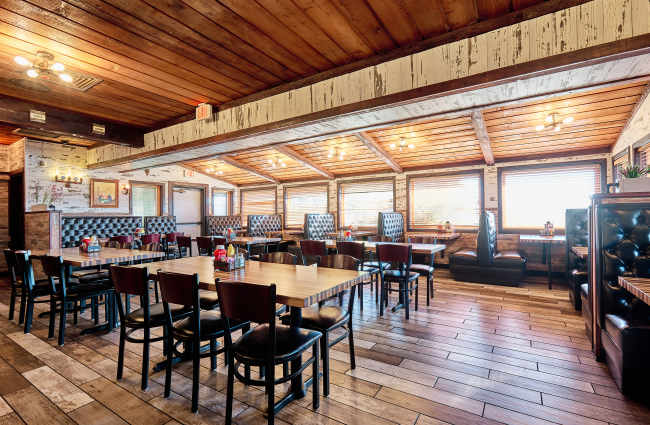
Comfortable materials and familiar details create a welcoming dining experience.
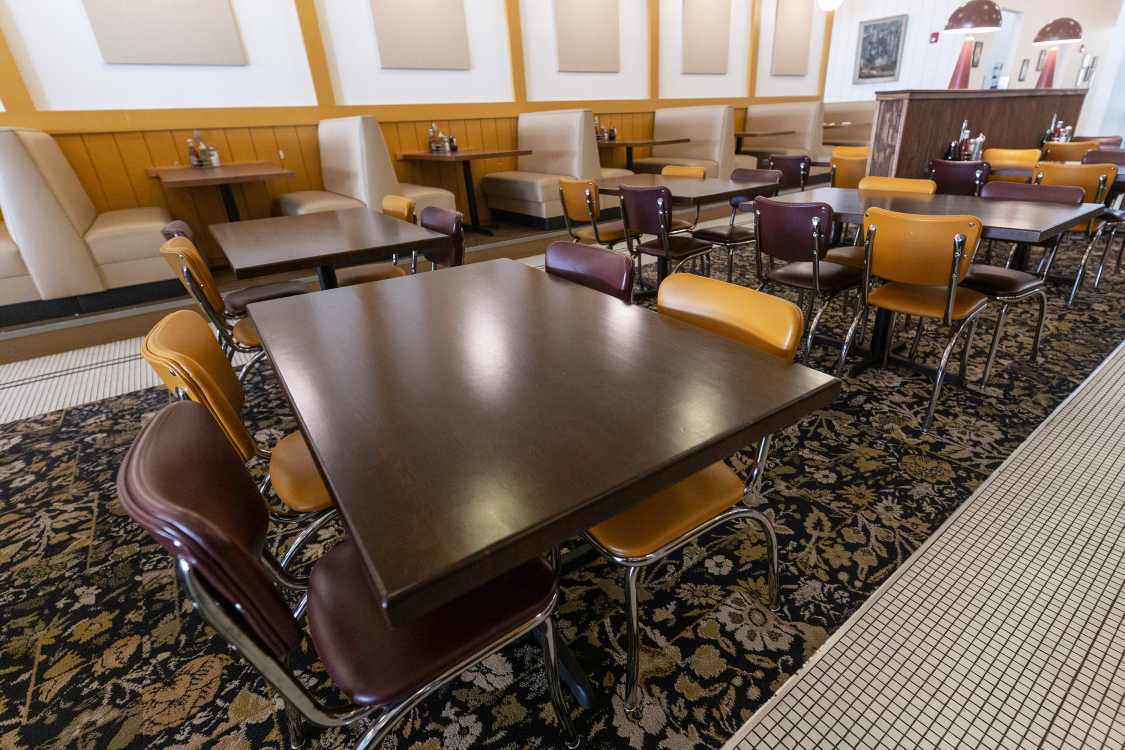
Many family restaurants create their strongest connection with guests through warmth and consistency. Wood tones, upholstered restaurant booths, comfortable chairs, and layered restaurant lighting help establish a dining room that feels established without appearing dated.
Traditional family restaurant design often succeeds because it reflects the way people naturally gather. Larger tables support groups and celebrations, while booths create comfortable spaces for conversation and longer visits. Materials should support daily use while maintaining the character that makes the restaurant feel welcoming over time.
Restaurant furniture plays an important role in this balance. Durable finishes, supportive seating, and practical layouts allow the dining room to feel comfortable during a busy weekend breakfast or a quiet weekday dinner.
Bright & Contemporary
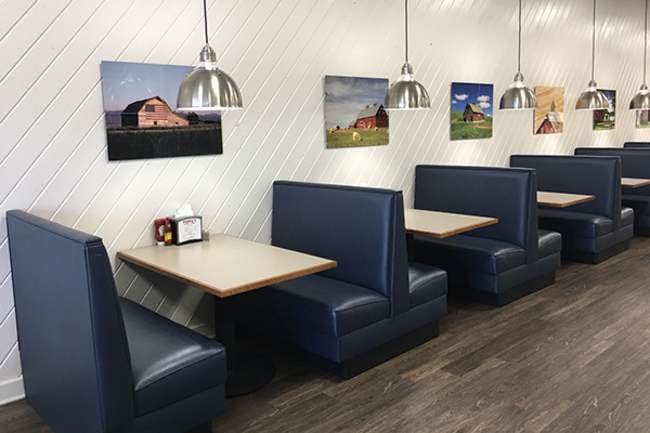
Modern layouts and lighter finishes create an open, approachable environment.
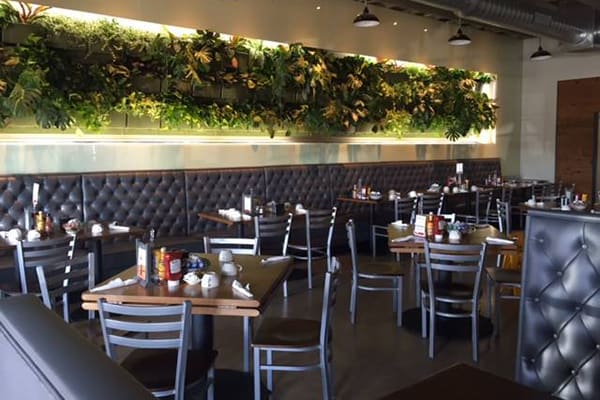
Contemporary family restaurants often create a different type of comfort through openness and visibility. Natural light, modern materials, and clear sightlines make the dining room feel accessible while allowing guests to understand how the space functions as soon as they enter.
A modern approach does not require a cold or overly minimal environment. Restaurant tables, chairs, and booths can introduce warmth through wood finishes, upholstery, and carefully selected materials while maintaining a brighter overall atmosphere.
The best contemporary family restaurant design balances appearance with everyday operation. Durable restaurant furniture, practical circulation, and thoughtful lighting choices help create a space that feels current without depending on short-lived trends.
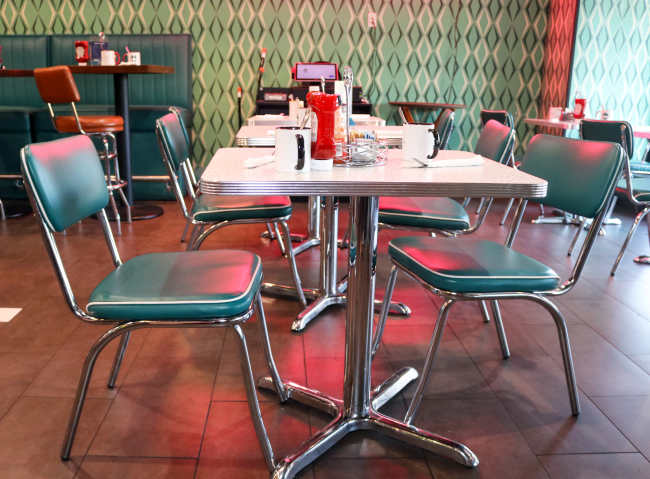
Recognizable details create the sense of a place guests already know.
Classic diners remain popular because they create an immediate sense of recognition. Counter seating, vinyl restaurant booths, laminate table tops, and durable finishes have been part of diner design for generations because they support both daily service and long-term familiarity.
The strongest diner-inspired restaurants do not simply copy the past. They understand what made those spaces successful: comfortable seating, recognizable details, and a room where guests know what to expect when they walk through the door.
For many guests, the counter, booth, or favorite table becomes part of the restaurant's identity. Those physical spaces support the routines that turn first-time visitors into regular customers.
Design Takeaway
The goal of family restaurant interior design is not to recreate a specific look. It is to create a consistent experience where restaurant furniture, lighting, materials, and layout work together to support the way guests gather.
Bringing it all Together
The most successful family restaurants rarely become neighborhood favorites because of one signature menu item or a single design feature. They earn that reputation over hundreds of ordinary visits. Guests return because the dining room feels familiar, the seating is comfortable, and every part of the restaurant supports the simple pleasure of sharing a meal without feeling rushed.
Creating that kind of experience begins with understanding how people use the space. Restaurant booths encourage conversation, tables adapt to changing gatherings, counter seating builds community, and durable commercial restaurant furniture continues welcoming guests long after opening day. When those elements work together, the dining room becomes part of people's routines, celebrations, and everyday lives.
Whether you're opening a new family restaurant or updating an established dining room, every furniture decision shapes the experience your guests remember. Choosing commercial restaurant furniture designed for comfort, durability, and everyday service creates a restaurant people look forward to visiting again and again. Explore our collection of commercial restaurant booths, tables, chairs, and seating solutions designed to help create family restaurants guests return to for years to come.