Talk to the Experts (888) 409-1115

Live Chat

Restaurant Booth Architecture Guide: Layout, Dimensions, and Design for Maximum Efficiency

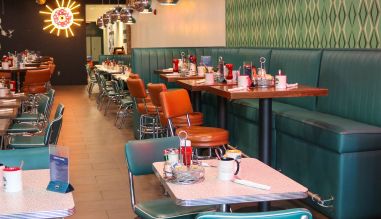
Restaurant diner booths

Restaurant booths are not just a seating option, they are a core part of how your dining space functions. The way booths are arranged, sized, and designed directly impacts how efficiently your restaurant operates and how comfortable guests feel during their visit.

Materials and Construction: Durability and Design

Unlike freestanding tables and chairs, restaurant booths create defined seating zones. This structure helps organize the dining room, making it easier to control traffic flow and maintain a clean, consistent layout. In busy environments, this can significantly improve both customer experience and staff efficiency.

Restaurant Booth Terminology

Before ordering booths for your restaurant it is recommended to get familiar with a few basic terms. You will need to know these when proceeding with your order:

  • Top & End Caps –The caps are placed on the sides and top of a booth to cover the frame. Upholstered caps are standard but you can also upgrade to solid wood / laminate caps.
  • Head Roll – An upholstered padded piece at the top of the booth which is used for extra comfort.
  • Logo Placement – If you are looking to place a logo on your booth the central area of the padded back is where the logo will be placed.
  • Crumb Strip – The crumbs strip is a 1 1/2” strip placed between the back of the booth and the seat, allowing for easy cleaning.
  • Welt Cord – A durable and strong cord stitched to the sides of the seat for both strength and added style. When measuring the booths dimensions the height and length include the top and end caps.
restaurant booths

Restaurant Booths Upholstery

Your choice of upholstery is an important one. High-traffic family restaurants will require a more durable material than a high-end steakhouse. Below you will find the most common restaurant booth types by material.

restaurant booth - vinyl padded

Vinyl

Easy to clean, vinyl resists stains and scuffing that is commonly found in restaurants that have quick turnaround and are more likely to see spills.
Fabric

Fabric

Softer than vinyl, fabric provides a bit of elegance to any lounge or fine dining establishment. Fabric is harder to clean, and will require more care.
Wood

Wood

Wood booths provide a unique touch to any restaurant and are quite durable and easy to maintain. They add a visual appeal not found in upholstered booths.

Design

Once you have decided on the right type of booth for your venue, you can explore different styles each booth presents to enhance your décor. Styles range from plain back, country style, button tuft, bead board, V back, channel back and fan back. Each style fits best with different floor layouts. For example, a V back booth matches best with a retro theme diner. Button tuft booths provide a more elegant look at a fine dining establishment.

Restaurant booths are mostly made out of wood, laminate and upholstery. These different kinds of materials are used for enhancing the booths’ aesthetic and comfort level. A laminate booth features an easy to clean trim over a wood frame. This type of booth is great to pair with neutral color décor themes. Upholstered booths use vinyl or fabric to cover the foam padding on both the seat and back on the wood frame for a comfortable dining experience. Classic wood booths are made of easy to clean wood materials and give a more contemporary and rustic look for your décor.

NK custom booth

NK Custom Booth

NK custom restaurant booths feature 6 divided channel backs and come with either a laminate or wood frame finish that compliments the upholstery.
bead board booth

Bead Board

Very popular with churches and other gathering venues the bead board booths are built of solid wood and have either an un-padded or semi padded back.
button tufted restaurant booth

Button Tufted

Commonly used in upscale venues, these booths are featured in a comfortable and timeless button tufted backrest design.
channel back booths

Vertical Channel Back

The back design lends itself to a modern sleek look that fits in great with any modern cafe and restaurant. The channel back booths feature 3, 6, and 12 vertical channels.
fan back restaurant booth

Fan Back

Fan back restaurant booths feature an attractive curved back and look best when placed in a visible position making them the centerpiece of the design.
V back restaurant booth

V Back

With their classic diner look these booths have a distinctive back which includes a section in the shape of a V, usually made with a different color or material to the rest of the back upholstery.
channel back booths

Horizontal Channel Back

These comfortable rural inspired booths feature horizontal channel backs booths which can include 3, 6, and 12 vertical channels.
Plain Back Restaurant Booth

Plain Back

Classic and great for blending in with the decor the plain back booths are usually of a solid color on both seat and back (although a mix of colors can be requested) and do not have embellishments.
backless waiting bench

Wood Frame Standard Waiting Bench

Commonly seen without a back, waiting benches are perfect for keeping guests comfortable while they wait to be seated.

From a business perspective, booth seating allows operators to maximize seating capacity without making the space feel overcrowded. Properly planned booth layouts can increase the number of usable seats while still maintaining comfortable spacing between guests.

Your booth layout may be the first thing a customer sees upon entering your establishment. Done well, the right configuration can feel like a well-designed piece of art, with matching and contrasting shapes and sizes, or even a simple row of double booths that makes the space appear larger than it actually is. Done poorly, the layout can feel cramped, impede traffic flow, and negatively affect the overall dining experience.

From a customer standpoint, booths are often preferred because they offer a greater sense of privacy and comfort. Guests feel more relaxed in a semi-enclosed space, which can encourage longer visits and repeat business.

The Importance of Shape and Size

Let’s start with the basics. Every component of your booth layout requires careful measurement. The goal is to seat as many guests as possible without crowding the space. In the diagram below, you will see an example of how different booth shapes and sizes can be arranged efficiently to maximize capacity.

booth seating diagram

As you can see, the sample design above makes use of nearly all available wall space, increasing the number of guests the restaurant can accommodate. If that same wall space were filled with tables and chairs, the overall seating capacity would be much lower. Traffic is also more efficient in this layout. Servers can reach every table with room to spare, wheelchairs can move through the space more easily, and the booth backs provide a natural sense of privacy between groups. This can create a more comfortable dining experience and encourage guests to stay longer.

Ultimately, booth seating is one of the most effective ways to balance comfort, efficiency, and visual appeal in a restaurant environment.

Restaurant Booth Shapes

Selecting the right booth is the foundation of a successful layout. Each configuration serves a specific purpose, and choosing the wrong shape can lead to inefficient use of space or reduced seating capacity.

Single restaurant booth

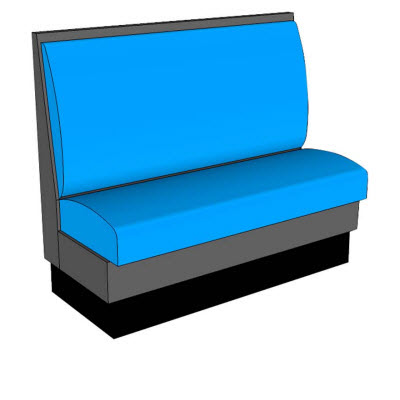
Deuce / Single Booth

Deuce booths are compact seating units designed specifically for two guests. Single booths are typically installed along walls and are one of the most widely used seating configurations in restaurants. Because they are positioned against a wall, they only require access from one side, which helps conserve space and keeps traffic flowing through the central dining area. This makes them especially effective in smaller dining rooms or layouts where maximizing perimeter space is a priority. Single booths are also easy to integrate into most floor plans, making them a reliable and versatile option for many restaurant concepts.
Double restaurant booth

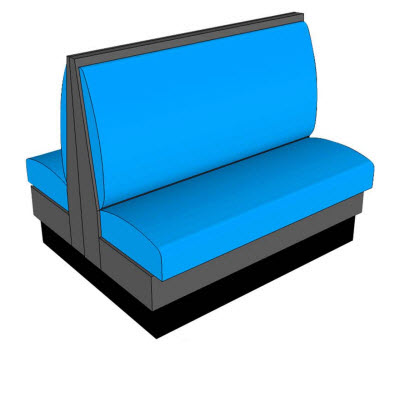
Double Booth

Double booths consist of two seating units placed back-to-back, sharing a central backrest. This configuration is one of the most efficient ways to increase seating capacity within a given area. By creating organized rows of seating, double booths allow restaurants to maximize the number of guests per square foot while maintaining a structured and predictable layout. This is particularly beneficial in high-volume environments where consistency and efficiency are critical. However, this configuration requires careful spacing to ensure that guests can move comfortably and that staff have clear access to tables.
Wall bench restaurant booth

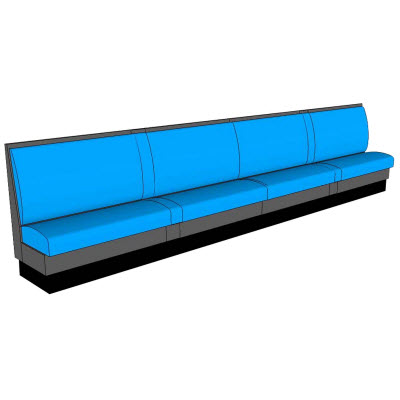
Banquette / Wall Bench

Banquette seating consists of continuous seating installed along a wall and paired with movable restaurant tables and chairs. This type of seating offers more flexibility than traditional booths because it can be adapted to different group sizes. Tables can be rearranged or combined as needed, making banquettes a popular choice in modern and upscale dining environments. Banquettes also allow for more creative design integration, as they can be customized to fit specific wall lengths or interior styles.
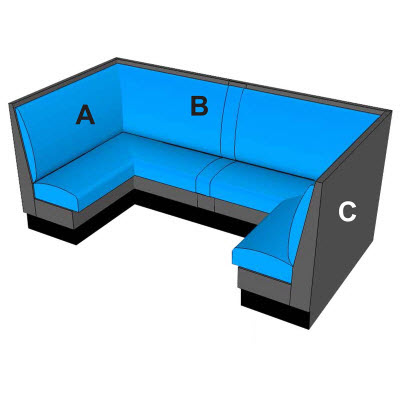
L shape restaurant booths

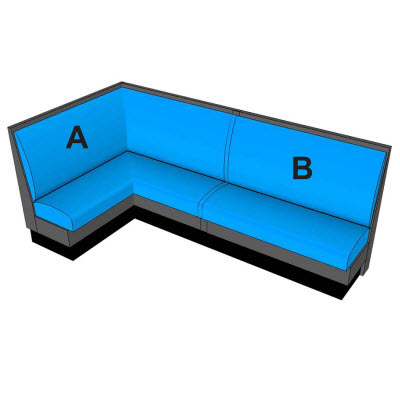
L Shape Booths

L-shape booths are designed to fit into corners, making them an excellent solution for utilizing space that might otherwise go unused. They are particularly useful in custom layouts or irregular floor plans where standard booth configurations do not fit efficiently. By making use of corner areas, L-shape booths can help increase total seating capacity without expanding the footprint of the dining room.
half circle booths

1/2 Circle Booths

A half circle booth is designed in a semi-circular shape that seats guests along one curved side of the table. Because it is open on one side, it allows for easier access and works well in layouts where space efficiency and flexibility are important. It is a must-have for group seating, this configuration can be used for larger parties, perfect for family dining. 1/2 circle booths with standard dimensions can easily and comfortably sit 4- 6 diners.
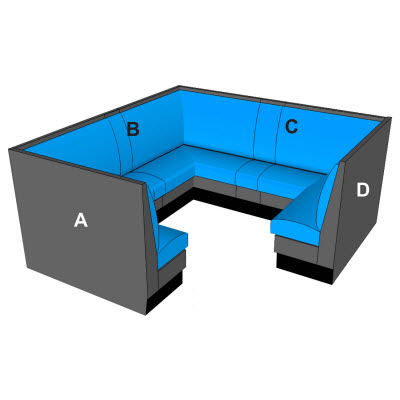
three quarter circle booths

3/4 Circle Booths

Curved booths create a more enclosed and social seating experience. They are often used to accommodate larger groups and can serve as a focal point within the dining space. Because of their shape, they naturally encourage interaction among guests, making them ideal for group dining environments. However, they require more space than standard booths and should be used strategically within the layout.

Quick Decision Guide

  • Small space: Deuce or Single Booths
  • High volume: Double Booths
  • Flexible layout: Banquettes
  • Unique space: L-Shape or Circle Booths

Live Installations

Unlike freestanding tables and chairs, booths create defined seating zones. This structure helps organize the dining room, making it easier to control traffic flow and maintain a clean, consistent layout. In busy environments, this can significantly improve both customer experience and staff efficiency.

Products In This Restaurant
Installation
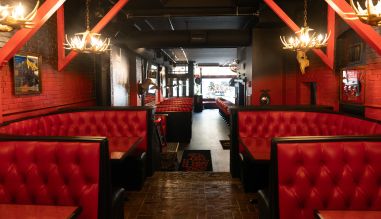
Low Stake Saloon - Portland, ME

The perfect combination of elegance and intrigue, the Low Stake Lodge is a self-proclaimed dive bar with the upscale menu of a premier New York steakhouse. From its expertly crafted prime cuts to the animatronic moose and singing fish, the restaurant delivers a memorable experience that blends fine dining with Maine’s signature quirky charm.

"The red and black color scheme, paired with the fun animals and hunting theme delivers eye catching decor." - Guest Review
Installation
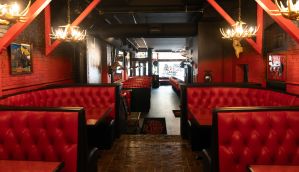
Low Stake Saloon - Portland, ME

The perfect combination of elegance and intrigue, the Low Stake Lodge is a self-proclaimed dive bar with the upscale menu of a premier New York steakhouse. From its expertly crafted prime cuts to the animatronic moose and singing fish, the restaurant delivers a memorable experience that blends fine dining with Maine’s signature quirky charm.

"The red and black color scheme, paired with the fun animals and hunting theme delivers eye catching decor." - Guest Review
Products In This Restaurant
With over 100,000 restaurants furnished, installations like this highlight how our products are used in real spaces. Explore our gallery or browse more installations.

Restaurant Booth Dimensions: What Actually Affects Comfort

No one wants to compromise on comfort. That is why understanding booth dimensions is essential for creating a layout that is both comfortable and efficient. Even small differences in measurements can significantly impact how booths feel and function.

What Are Standard Restaurant Booth Dimensions?

Most restaurant booths are built using standard dimensions that align with common table sizes and ergonomic seating requirements.

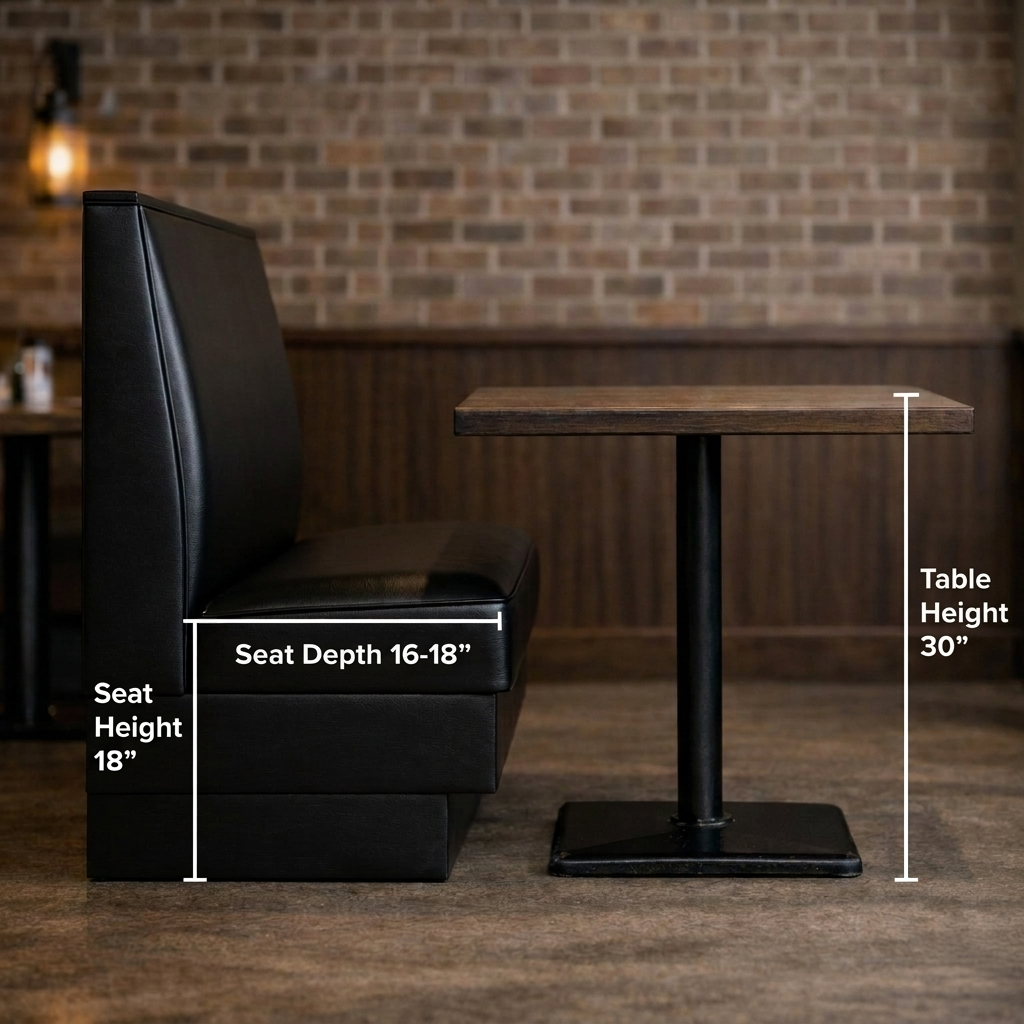
A seat height of approximately 18" allows guests to sit comfortably in relation to a standard 30-inch table. Seat depth typically falls between 16" and 18", providing enough space for comfort without making it difficult to sit upright.

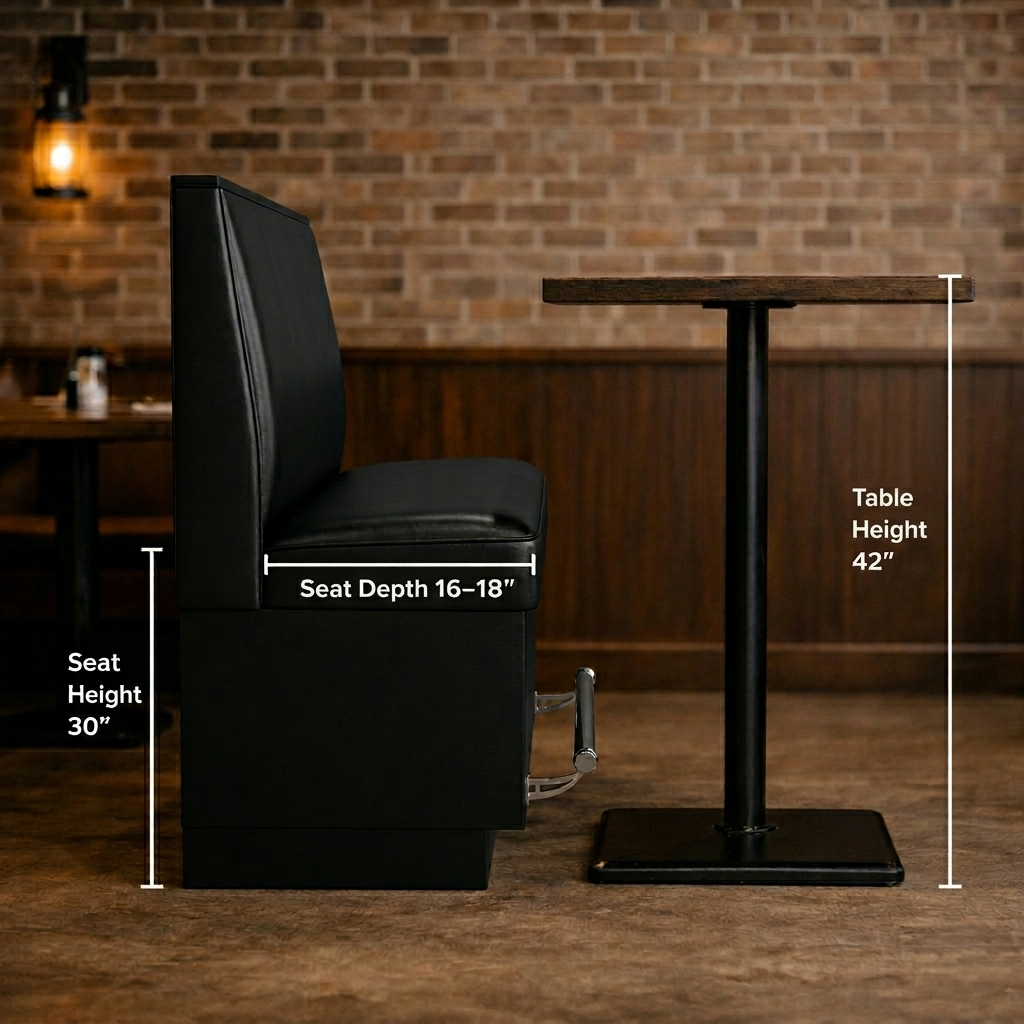
Bar-height booths are also available, typically with a 30” seat height to match a 42" table. Seat depth and space per guest usually remain the same as standard table-height booths.

Standard Height Restaurant Booth

restaurant booth standard dimensions

Bar Height Restaurant Booth

restaurant booth bar height dimensions
  • Seat height for restaurant booths is typically around 18”. This allows guests to sit comfortably
  • Seat depth is generally 16” to 18”. Any deeper, and guests may sink too far into the booth
  • Standard space per guest is 24”. This gives each person enough elbow room
  • Table height is usually around 30”, which pairs well with a standard 18” booth seat

Most dining booths can be custom made to any dimension needed however the table below will show you the standard sizes for the most common dining booths. These dimensions are widely used because they strike a balance between comfort, usability, and efficient use of space.

Table Height Bar Height
DESIGN LENGTH HEIGHT BOOTH DEPTH DESIGN LENGTH HEIGHT BOOTH DEPTH
Deuce Single 30" 42" 24" Deuce Single 30" 54" 24"
Deuce Double 30" 42" 46" Deuce Double 30" 54" 46"
Single 48" 42" 24" Single 48" 54" 24"
Double 48" 42" 46" Double 48" 54" 46"

Live Installations

Booth height shapes both the look and feel of a dining space. Regular-height booths create a classic, comfortable setting, while bar-height booths bring a more elevated, open, and energetic presence. The installations below highlight how each approach can influence the overall guest experience.

Products In This Restaurant
Installation
Farmsea Restaurant - Gloucester, MA

The Farmasea restaurant serves locally sourced dock-to-dish, farm-to-table on Main Street in Gloucester. Gloucester country is one of the earliest European settlements in America dating back to the early 17th century. The Farmasea serves new American cuisine with the restaurant menu mainly surf and turf with creative entrees such as swordfish schnitzel, seared fish tacos as well as traditional entrees such as New York Strip and beef Wellington. They are known for using fresh ingredients and their attention to detail.

"Excellent interior. Large booths for groups or privacy for you and your significant other." - Guest Review
Installation
Farmsea Restaurant - Gloucester, MA

The Farmasea restaurant serves locally sourced dock-to-dish, farm-to-table on Main Street in Gloucester. Gloucester country is one of the earliest European settlements in America dating back to the early 17th century. The Farmasea serves new American cuisine with the restaurant menu mainly surf and turf with creative entrees such as swordfish schnitzel, seared fish tacos as well as traditional entrees such as New York Strip and beef Wellington. They are known for using fresh ingredients and their attention to detail.

"Excellent interior. Large booths for groups or privacy for you and your significant other." - Guest Review
Products In This Restaurant
Installation
Donut Villa Diner - Arlington, MA

“The food there is AMAZING! I loved the atmosphere of a small diner, and everyone is friendly. There are so many choices for food, and their donuts are unreal,” a reviewer raved. “I never thought this place was going to be much. But I'm glad I stopped in to try it out. Now I'm hooked!” another remarked.

"The booth seating was so comfortable and the ambiance was upbeat and lively." - Guest Review
Installation
Donut Villa Diner - Arlington, MA

“The food there is AMAZING! I loved the atmosphere of a small diner, and everyone is friendly. There are so many choices for food, and their donuts are unreal,” a reviewer raved. “I never thought this place was going to be much. But I'm glad I stopped in to try it out. Now I'm hooked!” another remarked.

"The booth seating was so comfortable and the ambiance was upbeat and lively." - Guest Review
Products In This Restaurant
With over 100,000 restaurants furnished, installations like this highlight how our products are used in real spaces. Explore our gallery or browse more installations.

Restaurant Booth Back Heights: How to Choose the Right Option

The height of a booth back plays a major role in both the functionality and overall feel of your dining space. It affects everything from guest comfort and privacy to how open or enclosed your restaurant appears. When selecting a booth height, consider:

  • The type of dining experience you want to create
  • How much privacy your guests expect
  • The layout and visibility of your space
  • Your overall interior design style

While booth heights can be customized, there are several commonly used standards that help guide decision-making.

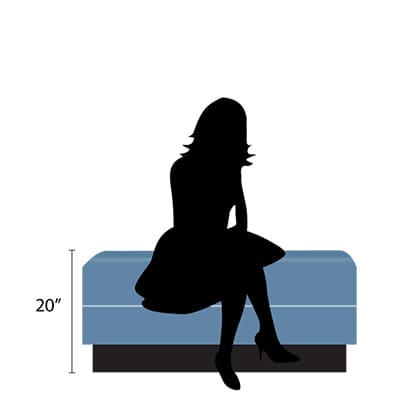
Waiting Bench

Waiting Bench

Backless seating is typically used in reception or waiting areas rather than main dining spaces. Because there is no backrest, these benches keep the space feeling open and allow for quick turnover, making them ideal for high-traffic entry areas.
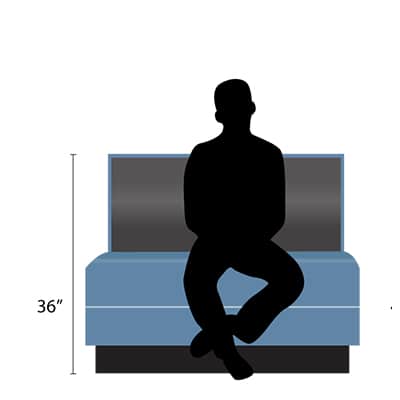
36

36" High Back Booth

A 36-inch back is one of the lowest standard options and works well in casual dining environments. It provides basic support and comfort without creating a sense of separation between tables. This makes it a good choice for restaurants that want to maintain an open, social atmosphere.
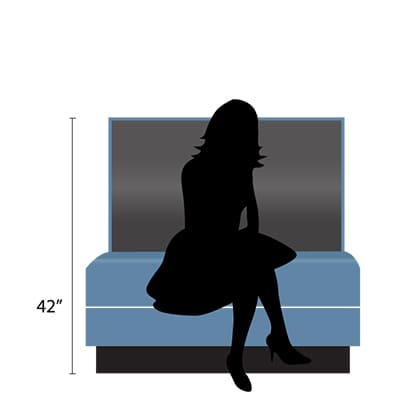
42

42" High Back Booth

A 42-inch back height offers a balance between openness and privacy. At this height, the backrest typically reaches around head level for seated guests, providing a sense of separation without fully enclosing the space. This makes it one of the most versatile and commonly used options.
48

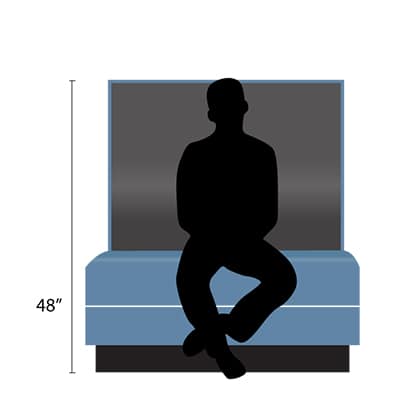
48" High Back Booth

A 48-inch back provides a more defined and private seating experience. This height helps reduce noise and visual distractions between tables, making it ideal for restaurants that want to create a more comfortable and slightly more intimate environment without fully closing off the space.
60

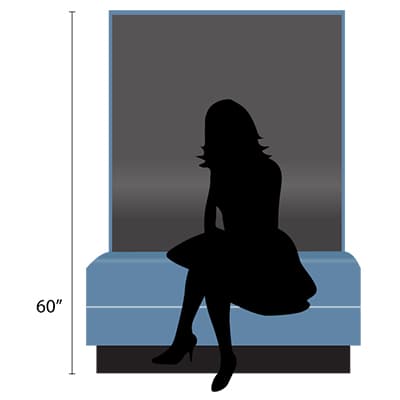
60" High Back Booth

Taller booth backs create a more enclosed and immersive dining experience. These heights are often used in lounges, nightclubs, or upscale venues where privacy is a priority. In addition to increasing privacy, taller booths can help dampen noise and contribute to a more relaxed, insulated atmosphere. They also make a strong visual statement, giving the space a more dramatic and upscale feel.

How to Choose the Right Booth Height

From retro diners to high-end dining, booth height makes a statement that will help you define your brand experience. While all booth configurations allow for a bit of separation and privacy, the choice between low and high-back restaurant booths makes all the difference in guest experience.

A

Low-Back Booths

  • More open and social, making them well-suited for high-traffic dining rooms
  • Improve visibility across the space, helping the restaurant feel larger and more connected
  • Easier for staff to monitor tables and provide attentive service
  • Ideal for casual environments, including diners, quick-service restaurants, and family-style venues
B

High-Back Booths

  • Offer greater privacy and comfort, helping guests feel more relaxed during their meal
  • Create a more intimate, enclosed atmosphere that encourages longer stays
  • Help reduce noise by acting as partial sound barriers between tables
  • Ideal for upscale dining, date-night settings, or lounge-style environments where ambiance matters more than turnover speed
C

Design Considerations for Taller Booths

Booths with higher backs are often paired with features like head rolls, which are padded top sections that add comfort and enhance the finished look. While taller booths provide more privacy, they also:

  • Take up more visual space
  • Can make a room feel more enclosed
  • Require careful layout planning

Key Takeaway

The right booth height should support both your layout goals and the type of experience you want your guests to have.

Booth Layout Planning: Spacing, Flow, and Efficiency

ADA compliance should be a top priority when designing your booth layout. A well-designed restaurant floor plan supports accessibility, smooth service, comfortable spacing between guests, and safe traffic flow for both staff and diners.

Key Spacing Guidelines

Restaurant booths are mostly made out of wood, laminate and upholstery. These different kinds of materials are used for enhancing the booths’ aesthetic and comfort level. A laminate booth features an easy to clean trim over a wood frame. This type of booth is great to pair with neutral color décor themes. Vinyl or fabric is used as upholstery to cover the foam padding on both the seat and back on the wood frame for a comfortable dining experience. Classic wood booths are made of easy to clean wood materials and give a more contemporary and rustic look for your décor.

Ensuring adequate space between booths and walkways improves both accessibility and operational efficiency. Guests can navigate the space without feeling crowded, and staff can serve tables smoothly without disrupting seated customers or passing traffic.

Restaurant Layout Factor: Recommended Guideline

  • Minimum aisle width: 36"
  • Preferred aisle width: 48"
  • Main goal: Support ADA access, wheelchair movement, and smoother traffic flow
  • Service benefit: Gives servers more room to move safely between tables and guests

When evaluating your restaurant booth layout, aim for a floor plan that balances ADA accessibility, guest comfort, and staff efficiency. The right spacing can reduce crowding, improve safety, and create a better overall dining experience.

Booths Layout Types

Restaurant Booths Wall Layout

Wall Layout

Maximizes perimeter space and keeps the center open.
Double Booth Rows

Double Booth Rows

Efficient setup for high-capacity dining rooms.
Restaurant Booths Mixed Layout

Mixed Layout

Combines booths and tables for flexibility and variety.

Standard vs Custom Booths: Which Should You Choose?

Choose Standard Booths if:

  • Your layout fits common dimensions, allowing for easy integration with standard restaurant booth sizes and layouts.
  • You need faster turnaround, as standard booths are typically in stock or have shorter lead times.
  • Budget is a priority, since standard restaurant booths are more cost-effective than custom-built options.

Choose Custom Booths if:

  • You need a precise wall-to-wall fit to maximize seating capacity and optimize your restaurant floor plan.
  • Your layout includes corners, curves, or unique configurations that require made-to-order booth seating.
  • You want specific materials, finishes, or branding elements to match your restaurant’s design concept and customer experience.

Common Restaurant Booth Design Mistakes (And How to Fix Them)

Learn the most common booth planning mistakes and how to avoid layout issues that impact comfort, traffic flow, and overall restaurant performance.

Even small booth layout mistakes can lead to long-term operational issues, from poor traffic flow to uncomfortable seating. Addressing these early helps avoid costly changes later.

Mistake Why It’s a Problem How to Correct It
Not allowing enough aisle space Narrow aisles slow service, create congestion, and make it harder for guests and staff to move comfortably. Allow at least 36 inches for aisles, with 42–48 inches recommended for better traffic flow and comfort.
Overcrowding the layout Trying to fit too many booths into one space can make the dining area feel cramped and reduce the overall guest experience. Prioritize a balanced layout that maximizes seating without sacrificing comfort or service efficiency.
Ignoring traffic flow Poor circulation creates bottlenecks between booths, entrances, and service pathways. Plan clear paths between the kitchen, dining area, and booth rows so guests and staff can move easily.
Choosing materials based only on appearance Some materials may look good but wear out quickly or require too much maintenance in high-traffic settings. Select materials based on durability, cleanability, and how heavily the booths will be used.
Ignoring booth back height Back height affects privacy, noise levels, and the overall atmosphere of the dining space. Choose lower backs for open, casual layouts and taller backs for more privacy and a more enclosed feel.
Not planning for cleaning and maintenance Booths that are difficult to clean can wear out faster and increase long-term upkeep costs. Choose easy-clean upholstery, durable finishes, and features like crumb strips where appropriate.
Wasting corner or irregular space Unused corners reduce seating potential and can make the layout less efficient. Use L-shape booths, banquettes, or custom booth configurations to maximize available space.
Treating booths as standalone pieces Booths that are selected without considering the full floor plan can create inconsistent design and poor flow. Plan booths as part of the overall layout, including spacing, circulation, and the desired dining experience.
Key Takeaway

Even small booth design mistakes can have a significant impact on comfort, efficiency, and long-term performance. Taking the time to properly plan dimensions, spacing, materials, and layout will help you create a space that not only looks good but works efficiently day after day.

Need Help Designing the Right Booth Layout?

If you still have questions, our team is here to help you make the right decisions before you buy. We’ll guide you through the process and keep your layout, sizing, and seating choices simple and efficient from start to finish. We also offer an online booth calculator and layout tool to help you create a custom booth layout for your interior.

restaurant booths

For further information regarding restaurant booths sizes call today at (866) 831-8629 for expert support and a streamlined booth design experience.