Hospitality environments have changed significantly over the past decade. Casinos, sportsbook lounges, upscale bars, entertainment venues, hotel lounges, and private clubs increasingly encourage guests to remain on-site longer through integrated food-and-beverage programs, social spaces, viewing areas, and entertainment-focused experiences. As guest occupancy increases, seating design plays a larger role in supporting the overall hospitality experience.
While commercial seating has evolved considerably through improved ergonomics, upholstery, durability, and functionality, one challenge continues receiving relatively little attention: the physical fatigue that can develop during extended periods of seated occupancy. This guide explores how prolonged static seating affects guest comfort over time and why flex-back seating has emerged as a potential solution across a variety of hospitality environments.
The Shift Toward Extended Guest Occupancy
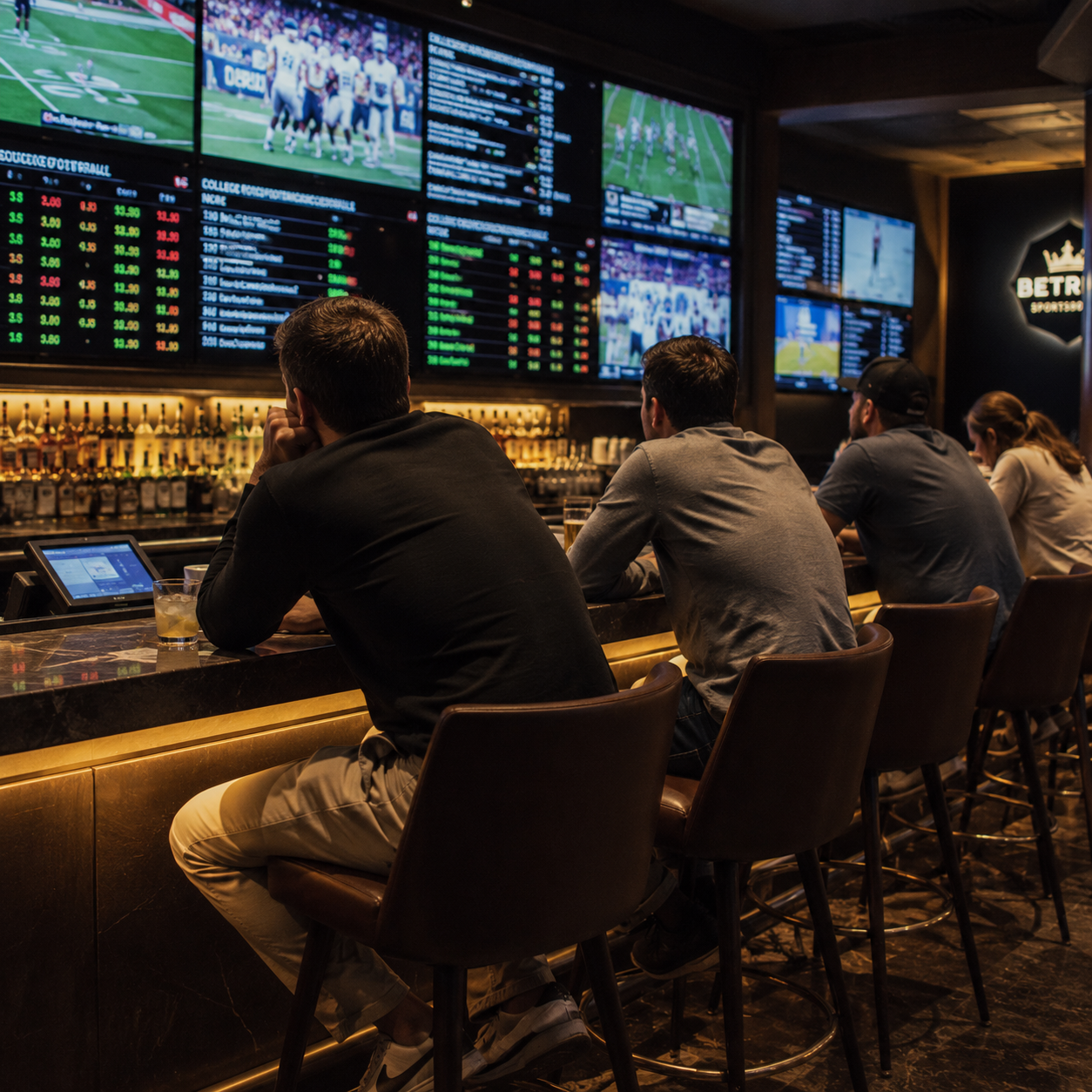
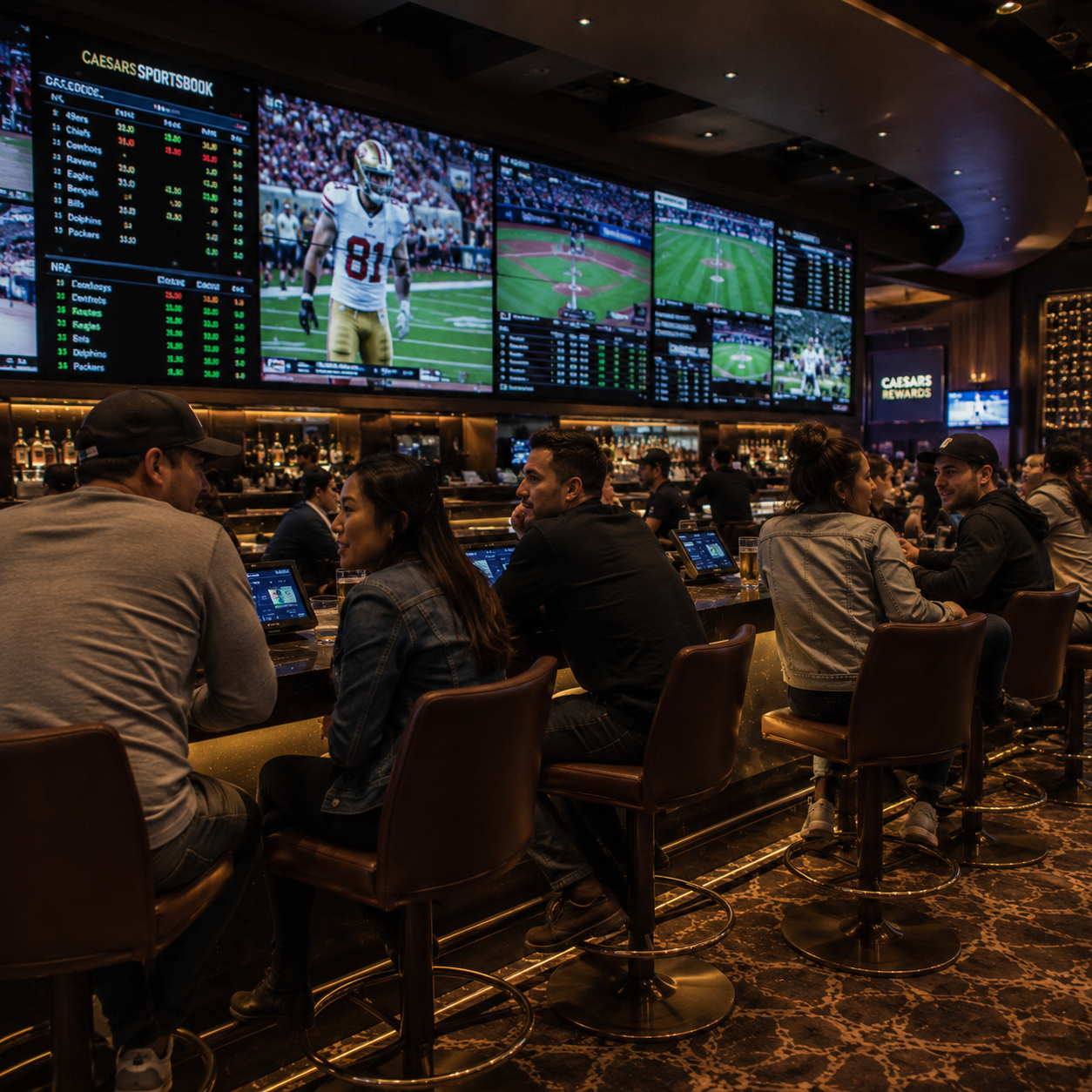
Across casinos, sportsbook lounges, upscale bars, entertainment venues, private clubs, and other hospitality environments, owners and operators increasingly depend on keeping guests engaged for longer periods of time. As these venues evolve beyond simple food-and-beverage service into more immersive social and entertainment experiences, seating comfort has become an increasingly important part of the overall guest experience.
Longer overall guest occupancy
Hospitality-driven layouts
Integrated entertainment environments
Greater movement flexibility throughout the venue
Casinos provide one of the clearest examples of this trend. Over the past decade, casino operators have invested heavily in sportsbook lounges, hospitality-driven gaming environments, integrated bars, and comfort-focused seating layouts designed around longer guest visits. However, the same shift can be seen throughout many hospitality settings where guests remain seated for extended periods, including entertainment venues, comedy clubs, jazz clubs, upscale bars, and private hospitality lounges.
As occupancy duration continues increasing across these environments, a more subtle issue begins emerging over time: physical fatigue created by prolonged static seating. While many seating systems successfully address immediate comfort through upholstery, footrests, and ergonomic design, extended periods of seated occupancy can still create stiffness and discomfort when back support remains largely static throughout the experience.
Static Seating Creates a Different Type of Fatigue
Unlike immediate seating discomfort, seating fatigue often develops gradually over the course of a visit. Guests may move between sportsbook lounges, casino bars, entertainment venues, restaurants, and other hospitality environments while repeatedly returning to seated positions throughout the experience.
While each individual seating environment may feel comfortable on its own, the cumulative effect of prolonged static positioning can gradually contribute to lower-back stiffness and physical fatigue. The challenge is not necessarily a single chair or seating area, but the total amount of time spent seated throughout the overall hospitality experience.
Many hospitality operators have already addressed several major comfort challenges associated with prolonged occupancy exceptionally well:
Swivel seating supports rotational movement
Upholstered seating improves immediate comfort
Ergonomic footrests help stabilize lower-body posture
Hospitality-driven layouts encourage longer, more comfortable visits
The remaining challenge is less visible. Even highly comfortable seating can gradually create lower-back stiffness when back support remains largely static throughout extended periods of occupancy. While traditional hospitality seating often addresses comfort, durability, and appearance, it does not always address the effects of remaining in the same seated position for longer periods of time.
The Next Challenge in Extended-Occupancy Seating
Casinos provide one of the clearest examples of a broader trend occurring throughout hospitality and entertainment environments. Sportsbook lounges, casino bars, private clubs, upscale hospitality venues, and entertainment-focused destinations increasingly encourage guests to remain seated for longer periods of time. As occupancy duration increases across these environments, seating systems face a more gradual challenge: reducing the cumulative physical fatigue created by prolonged static seating positions.
| Seating Challenge |
Common Hospitality Response |
Remaining Limitation |
| Guests need to turn toward screens, conversations, entertainment, service interaction, and surrounding activity |
Swivel seating |
Swivel supports rotation, but it does not reduce prolonged static back positioning |
| Guests remain seated longer throughout bars, lounges, viewing areas, and entertainment environments |
Upholstered stools and padded seating |
Padding improves immediate comfort, but seated posture can still remain rigid over time |
| Guests need lower-body support during extended seating periods |
Footrests and reinforced stool frames |
Footrests support posture stabilization, but they do not address back rigidity |
| Hospitality seating experiences continuous daily use |
Commercial frames, reinforced construction, and durable upholstery |
Durability protects the seating system, but not necessarily long-term seating comfort |
| Guests experience cumulative seating fatigue during longer visits |
More hospitality-driven seating environments |
Static seating positions can still gradually increase rigidity throughout extended occupancy |
Dynamic Back Support Changes Long-Term Occupancy Comfort
Research surrounding prolonged seated posture consistently shows that static positioning can gradually increase lumbar stiffness and discomfort over time, while movement variability and posture adjustment help reduce rigidity accumulation throughout extended occupancy periods. According to UCLA Health, prolonged seated positioning can place continuous stress on the lumbar spine, particularly when posture remains largely fixed for extended periods.
Additional research published through the
Applied Ergonomics Journal found that posture variability and lumbar movement help reduce stiffness accumulation associated with prolonged seated positioning.
In prolonged hospitality environments, even subtle seating movement can significantly affect how seating feels several hours into occupancy rather than during the first few minutes of use
Guests Rarely Remain Physically Static
Guests naturally shift posture throughout longer visits as they engage with conversation, dining, entertainment, viewing experiences, and surrounding social activity. Even within a single seating environment, people rarely maintain the same seated position for extended periods of time.
Rotational Movement Changes Seating Demands
Bars, sportsbook lounges, entertainment venues, private clubs, and hospitality environments often encourage guests to remain seated for longer periods. As occupancy duration increases, seating must accommodate more frequent posture adjustments and natural movement throughout the experience.
Small Movement Can Have a Big Impact
Flex-back seating allows guests to make subtle posture adjustments throughout longer visits while remaining engaged with conversation, dining, entertainment, and surrounding hospitality activity. By introducing controlled movement into the seating structure itself, flex-back designs help reduce the effects of prolonged static positioning.
Key Takeaway
The goal of flex-back seating is not to create movement for the sake of movement. It is to allow small posture adjustments that help reduce the effects of prolonged static positioning during longer seated experiences.
Where Extended-Occupancy Seating Matters Most
While casinos remain one of the most visible examples, prolonged seating is increasingly common across a wide range of hospitality and entertainment environments.
Casinos & Gaming Lounges
Extended gaming sessions, sportsbook viewing areas, and hospitality-focused guest experiences.
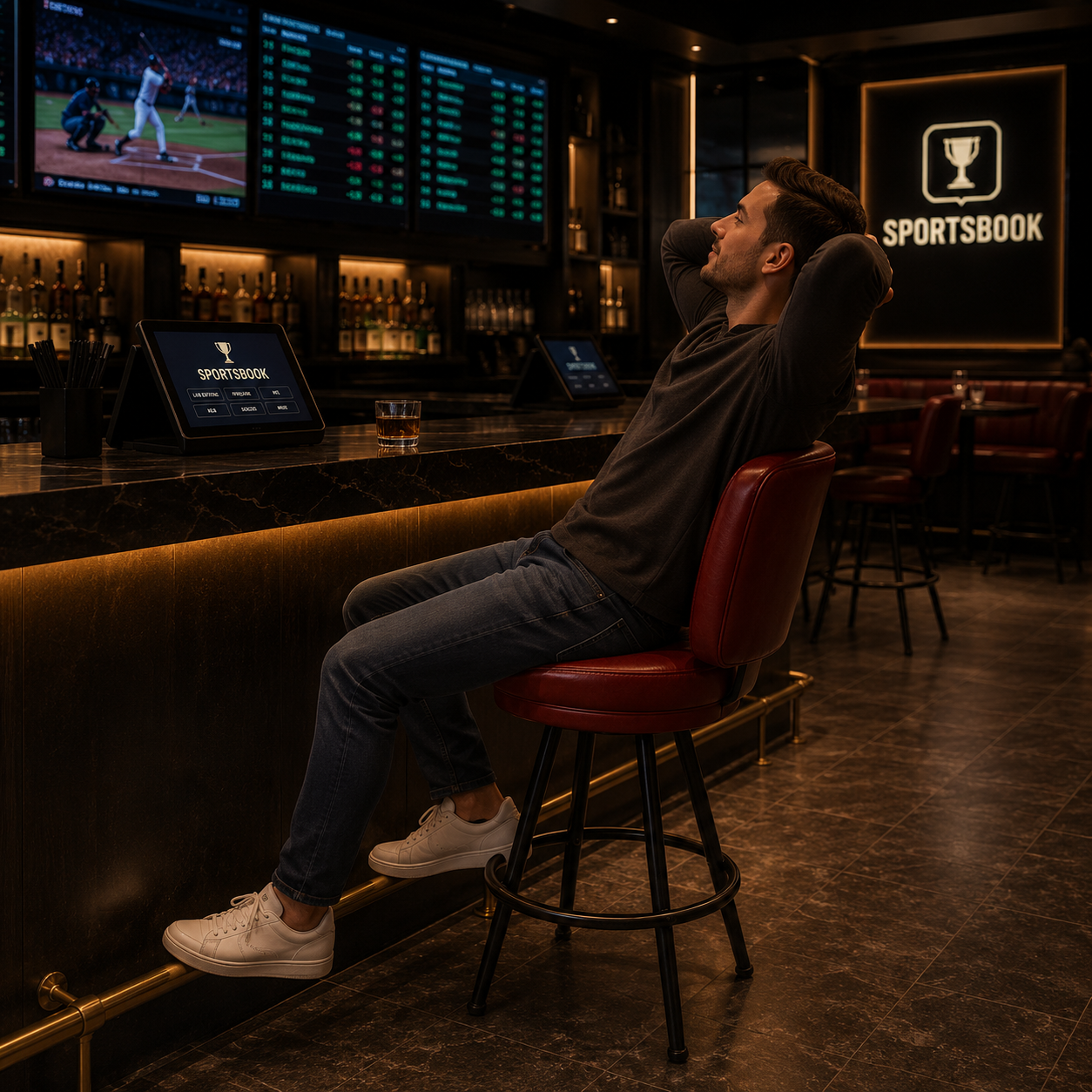
Sportsbooks
Long viewing periods centered around screens, events, social interaction, and food-and-beverage service.
Entertainment Venues
Concert halls, performance venues, and hospitality-driven entertainment spaces where guests remain seated for extended periods.
Comedy & Jazz Clubs
Multi-hour seated experiences focused on live performances, social interaction, and food-and-beverage service.
Upscale Bars & Lounges
Longer guest dwell times driven by conversation, dining, premium beverage programs, and social engagement.
Hotel Bars & Private Clubs
Hospitality environments designed around guest comfort, extended stays, and repeat visitation.
Although these environments serve different functions, they share a common challenge: guests often remain seated for extended periods while engaging with entertainment, conversation, dining, or viewing experiences. Seating that allows subtle movement and posture adjustment can help improve the overall seating experience across all of these applications.
Seating Designed Around Prolonged Hospitality Occupancy
RestaurantFurniture.net's flex-back seating collection was developed around one of the remaining challenges associated with extended-occupancy hospitality environments: the physical fatigue that can develop during prolonged periods of seated occupancy. By incorporating controlled flex-back movement into the seating structure itself, these stools help support subtle posture adjustment throughout longer visits while maintaining the durability, appearance, and functionality required in commercial environments.
While casinos remain one of the most visible applications, flex-back seating can also be valuable in sportsbook lounges, entertainment venues, private clubs, upscale bars, hotel lounges, and other hospitality environments where guests are likely to remain seated for extended periods.
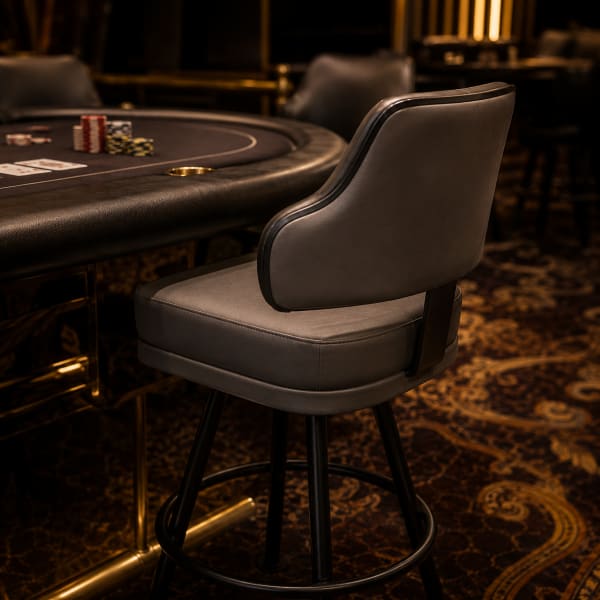
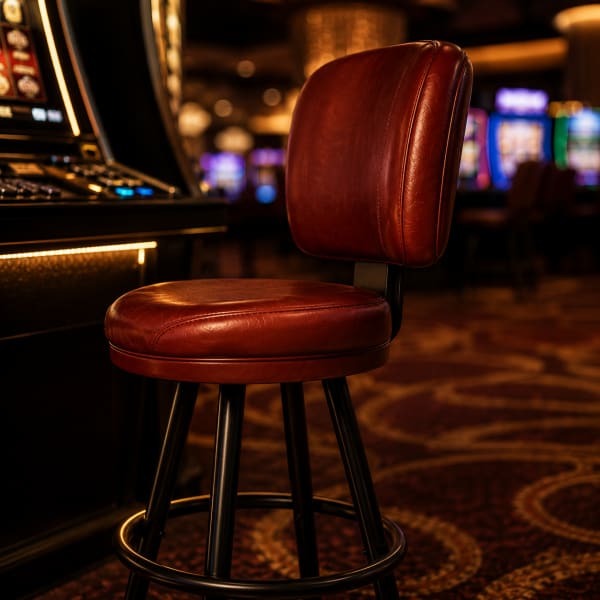
Designed for gaming tables, card rooms, and hospitality environments where visibility remains important, the Gioco combines a compact bucket seat with flex-back movement that helps reduce seating rigidity during longer periods of use. Its lower-profile back preserves sightlines while multiple frame styles and premium upholstery options allow the stool to integrate across casino floors, sportsbook lounges, and entertainment-focused hospitality spaces.
Well suited for sportsbook lounges, viewing areas, bars, and entertainment venues, the Lusso pairs a structured three-channel back design with flex-back support that accommodates natural posture shifting throughout longer visits. Multiple frame configurations and upholstery selections allow the stool to adapt across a wide range of hospitality environments while maintaining a refined commercial appearance.
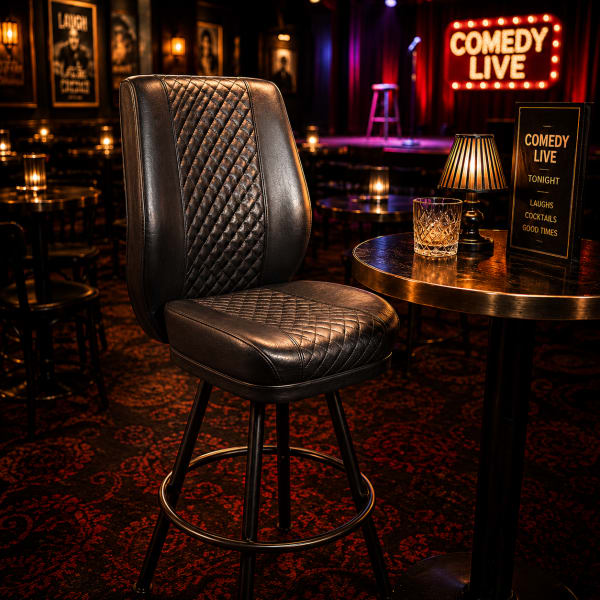
Designed for casino lounges, upscale bars, hotel lounges, and entertainment venues, the Tesoro combines full back support with flex-back functionality and a refined diamond-stitched design intended for longer periods of social engagement. A range of upholstery and frame options allows the stool to integrate across both contemporary and traditional hospitality interiors.
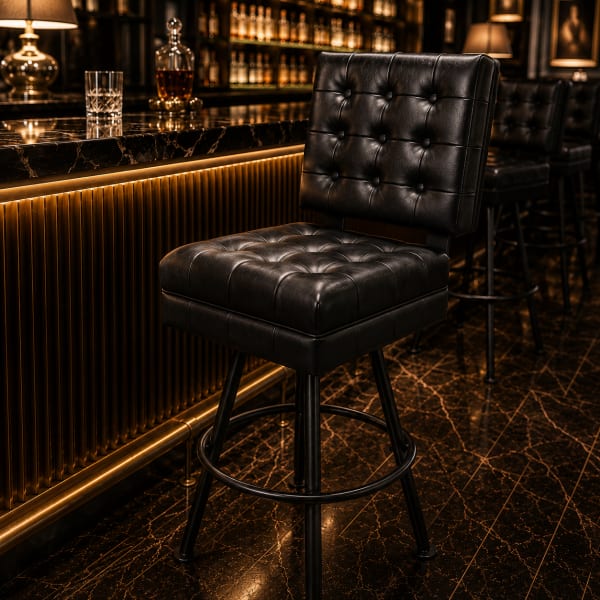
Designed for upscale casino bars, private clubs, hotel lounges, and premium hospitality environments, the Trionfo combines deep tufted bucket seating with flex-back movement that supports extended use without forcing guests into rigid seated positioning. Multiple frame styles and commercial-grade upholstery options allow the stool to complement elevated hospitality settings where guest experience is a primary consideration.
Final Thoughts
Across casinos, sportsbook lounges, entertainment venues, upscale bars, hotel lounges, and other hospitality environments, owners and operators continue looking for ways to improve the guest experience during longer visits. While durability, aesthetics, and immediate comfort remain important considerations, seating performance over time is becoming an increasingly important part of hospitality design.
Research surrounding prolonged seated posture suggests that even small opportunities for movement and posture adjustment can influence how seating feels during extended periods of occupancy. As hospitality environments continue evolving around longer guest stays and more immersive experiences, seating solutions that accommodate natural movement may play an increasingly important role in supporting long-term guest comfort.
Flex-back seating represents one approach to addressing this challenge by introducing controlled movement into the seating structure itself. While casinos remain one of the most visible applications, the same principles can apply across a wide range of hospitality environments where guests are expected to remain seated, engaged, and comfortable for longer periods of time.