How to Choose Restaurant Tables That Hold Up
The right restaurant tables start with understanding your table top material, base type, and sizing. This guide covers all three, plus venue-specific recommendations, durability specs, material-specific cleaning, and how to order in bulk without wasting money.
Table Top Materials: Wood, Laminate, Resin, and Butcher Block
Wood Table Tops
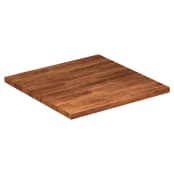
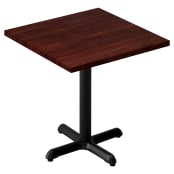
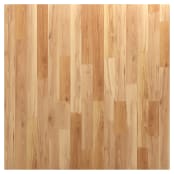
Wood table tops are the go-to for full-service restaurants, steakhouses, and farm-to-table spots where the dining room needs warmth. Solid wood options include oak, maple, and walnut, all kiln-dried to 6-8% moisture content. The finish matters more than the species in a restaurant setting. Catalyzed lacquer resists water rings, spilled wine, and commercial sanitizers far better than standard polyurethane. For a heavier, more distinctive look, butcher block tables run 1 1/2" to 1 3/4" thick and develop character over time. They're a natural fit for breweries, barbecue joints, and any concept that leans rustic.
Laminate and Resin Table Tops
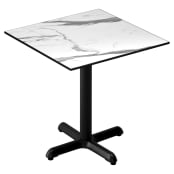
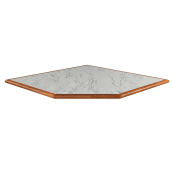
Laminated table tops use a high-pressure laminate surface bonded to a particleboard or MDF core. They're the budget-friendly pick for diners, cafeterias, and fast-casual restaurants that need stain resistance without the price of solid wood. Hundreds of color and pattern options make it easy to match any interior. Resin table tops take durability a step further. The resin coating creates a surface that's virtually waterproof, scratch-resistant, and easy to sanitize. They handle high-volume table turns without showing wear the way bare wood does.
Granite Table Tops
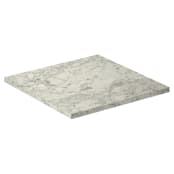
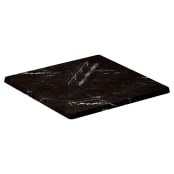
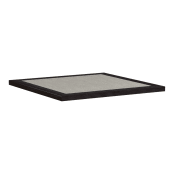
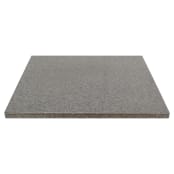
Granite table tops are heavy, heat-resistant, and nearly impossible to scratch. That makes them a strong choice for upscale restaurants and hotel dining rooms where presentation matters and guests expect a premium feel. The weight means you'll need sturdy bases, and installation takes more planning, but granite holds up for decades with minimal maintenance.
Choosing the Right Table Base
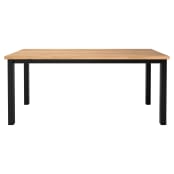
The base does two jobs: it keeps the table stable and determines how much legroom guests have. A bad base wobbles on uneven floors, blocks knee space, or tips when someone leans on the edge. Restaurant table bases come in several styles, and the right one depends on your table shape, top weight, and floor surface.
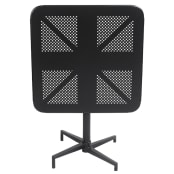
Cast-iron table bases are the industry standard for stability. They're heavy enough to anchor large tops without bolting to the floor, and the weight keeps things steady on tile, concrete, and hardwood. X-prong table bases spread the load across four points, making them a solid pick for square and round tops up to 36". For outdoor patios, outdoor table bases use aluminum or powder-coated steel that won't rust in rain or humidity. Bar-height table bases pair with 42” tops for standing areas and bar-side seating.
Choosing Tables by Venue Type
Fine-dining restaurants should pair solid wood or granite tops with heavy cast-iron bases. Guests sit for 90 minutes to two hours, so the table needs to feel substantial and stay rock-solid through a multi-course meal. Casual restaurants and diners do best with laminate or resin tops that wipe clean in seconds between turns. A 30" X 48" four-top is the most versatile size for these settings.
Bars and breweries lean toward butcher block or thick resin tops that can handle pint glasses, plates, and the occasional elbow. Communal restaurant tables running 8’ to 12’ long work well in taprooms and fast-casual spots that want a shared-seating vibe. For events and banquets, folding tables store flat and set up in minutes, which matters when your layout changes every weekend. Quick-service restaurants do best with laminate tops at 24" X 30" two-tops that maximize seating density.
Table Dimensions and Sizing Guide
Standard dining-height tables sit 29" - 30" tall. Counter-height tables run 34" - 36", and bar-height tables hit 40" - 42". For width, a two-top needs at least 24" across, a four-top needs 30" - 36", and a six-top needs 36" - 42". Allow 24" of table edge per guest so plates and elbows don't collide. Between tables, plan a minimum of 36" for server access, and 44" in any path that needs to meet ADA requirements. If your dining room mixes restaurant booths along the walls with freestanding tables in the center, booth tables should be 30" wide for standard single booths and 42" - 48" for double-sided configurations.
Durability Standards and Weight Ratings
A standard restaurant tabletop should support at least 200 lbs of evenly distributed weight. For table bases, check the rated top size: a base rated for a 30" top might not support a 42" top, even if it physically fits. Table tops with a 1 1/2" or thicker core resist warping better than thinner options. For outdoor use, make sure the top material is UV-resistant and the base is rated for weather exposure.
Cleaning and Maintaining Restaurant Tables
Laminate and resin tops are the easiest: wipe with sanitizer after every table turn, and they're ready for the next guest. Don't use abrasive pads, which can dull the surface over time. Wood tops need a damp cloth and a cleaner that's safe for the finish. Avoid bleach on wood because it strips the seal and causes discoloration. Granite wipes clean with warm water and mild soap, but acidic spills like lemon juice or wine should be cleaned immediately to prevent etching. For table bases, check the floor glides every few months. Worn glides cause wobbling and scratch your floors.
Pairing Tables with Restaurant Chairs, Booths, and Bar Stools
Your tables and seating should share a finish family. If you're running dark walnut table tops, match that tone on your restaurant chairs. Standard 29" - 30" tables pair with 18" seat-height chairs. Bar-height tables at 42" need 30" bar stools. If your dining room mixes booth seating along the walls with freestanding tables in the center, coordinate the tabletop material with the booth table surface so the room reads as a single design. Don't forget table bases, because mismatched base finishes stand out more than most people expect.
Why Restaurants Choose Restaurant Furniture.net for Tables
Every table top and base on this site is built for daily commercial use, from the core material and surface finish to the base weight and stability. A large portion of our inventory is manufactured in the United States, meaning faster shipping. Need help matching tops to bases or sizing tables for your floor plan? Call us at (888) 409-1115 or start a live chat.
Browse the full restaurant tables collection, or shop by top material: wood, laminate, resin, butcher block, or granite. Need a complete setup? Check our table sets and custom table tops. Browse table bases by style, or shop communal tables and folding tables for events. And when you're ready to outfit the rest of the dining room, we carry restaurant chairs, bar stools, booths, and patio furniture that all work together.