Talk to the Experts (888) 409-1115

Live Chat

Upscale Restaurant & Steakhouse Design Guide

Steakhouse Store Front

Every element in an upscale restaurant contributes to the dining experience. The layout determines how guests and staff move through the space. Tables are positioned to balance privacy with efficient service, seating encourages guests to relax through a multi-course meal, and lighting, finishes, and furnishings work together to create a cohesive interior design. While diners rarely notice these decisions individually, they shape the experience from beginning to end.

Designing an upscale restaurant requires balancing appearance with practicality. The space needs to create the right atmosphere while standing up to the demands of daily service, from durable furniture and commercial-grade materials to layouts that support both guests and staff. Whether the plan is for a contemporary steakhouse, an Italian restaurant, or an independent fine dining concept, the same design principles apply. This guide explores those principles, covering dining room planning, furniture selection, materials, lighting, and long-term considerations that help create restaurants built to perform as well as they look.

The Principles of Upscale Restaurant Design

Unlike many casual dining concepts, upscale restaurants are designed for guests who expect to spend time at the table. Guests may be celebrating a special occasion, entertaining clients, or simply enjoying an evening out, and whatever the reason for gathering, customers typically remain in the dining room longer and place greater value on comfort, attentive service, and the overall atmosphere. As a result, the dining room becomes an important part of the restaurant's identity rather than simply a place to serve meals.

Union House

Union House installation furnished by RestaurantFurniture.net. Click the image above to view the full project.

Creating that experience requires balancing hospitality with the practical demands of daily operations. Guests should feel comfortable without sacrificing seating capacity, while servers need clear paths to move efficiently throughout the dining room. Tables should provide enough space for privacy without making the room feel empty, and seating should remain comfortable from appetizers through dessert. Every design decision should support both the guest experience and the staff responsible for delivering it.

40%

OpenTable's 2026 Dining Trends Report that average per-person spending for anniversary visits was 40% higher than for ordinary visits in its 2025 US data. For restaurants serving celebration diners, comfort, privacy, and attentive service deserve consideration during planning.

Achieving that balance depends on more than furniture alone. The layout establishes how guests and employees move through the space, while lighting, architectural features, finishes, and commercial furnishings work together to create a dining environment that reflects the restaurant's concept. These design principles provide the foundation for every successful upscale restaurant and influence the planning decisions explored throughout the rest of this guide.

Planning the Dining Room

A successful dining room begins long before furniture, lighting, or decorative details are selected. Every successful restaurant floor plan starts with decisions about table spacing, circulation, accessibility, and seating arrangements. These planning choices determine how guests move through the space, how servers perform their jobs, and how comfortably people can enjoy a meal. When they're made early in the design process, the result is a dining room that feels organized, efficient, and welcoming without drawing attention to the work happening behind the scenes.

The following planning principles form the foundation of most upscale restaurants and steakhouses, regardless of the restaurant's size, cuisine, or architectural style.

Table Spacing

Creating Comfort

Table spacing influences how comfortable the dining room feels from the moment guests are seated. Providing adequate space between tables creates a greater sense of privacy, improves accessibility, and gives servers room to move efficiently throughout the restaurant. The goal is to balance seating capacity with a dining experience that never feels crowded or confined.

Check the layout with chairs occupied and pulled back, rather than measuring only between table edges. A full-size mockup of a representative seating area can help identify where guests standing up or servers passing behind them would interrupt neighboring tables.

Seating Arrangements

Accommodating Guests

Most upscale restaurants combine several seating types to accommodate different party sizes and dining occasions. Booths, banquettes, freestanding tables, bar seating, and private dining rooms each serve a purpose while creating flexibility throughout the dining room. A balanced seating plan also allows the restaurant to adapt to changing customer demand without sacrificing comfort.

Circulation

Supporting Service

Efficient circulation helps staff provide attentive service without disrupting the dining experience. Clear pathways between tables, strategically located service stations, and well-planned food delivery routes reduce unnecessary movement while allowing servers to reach every table comfortably. Good circulation often goes unnoticed by guests, yet it has a significant impact on daily operations.

Include the space staff need to pause while pouring wine, presenting dishes, or clearing a large party. Locate wine coolers, service carts, and temporary tray stands within the planned service areas so they do not narrow circulation paths.

Sightlines

Guiding Movement

Guests begin forming impressions as soon as they enter the restaurant. Clear sightlines toward the host stand, bar, dining room, or architectural focal points help orient visitors and create an organized first impression. Throughout the space, open views and strategically arranged seating contribute to a dining room that feels welcoming and easy to navigate.

Accessibility

Welcoming Everyone

Accessible design benefits every guest, not only those with mobility limitations. Wide circulation paths, accessible seating options, and thoughtful furniture placement improve comfort throughout the restaurant while helping operators meet accessibility requirements. Universal design creates a dining environment that is practical, inclusive, and easy to navigate.

Acoustics

Managing Sound

Conversation is an important part of the dining experience, particularly in upscale restaurants where guests often remain at the table for extended periods. Upholstered seating, booths, ceiling treatments, and other sound-absorbing materials help reduce background noise while allowing conversations to remain comfortable without raising voices.

Design Takeaway

Dining room planning establishes the framework for every successful restaurant. Decisions about spacing, seating, circulation, sightlines, accessibility, and acoustics influence both the guest experience and the efficiency of daily operations. Once these fundamentals are in place, designers can begin shaping the restaurant's unique identity through architecture, furnishings, materials, and lighting.

Designing by Concept

Every restaurant concept creates a different kind of dining experience. A steakhouse is designed for celebrations and business dinners, an Italian restaurant encourages conversation around shared meals, and an independent fine dining restaurant often reflects the vision of a chef or owner. The layout, furniture, materials, and lighting should support that style of dining while reinforcing the restaurant's character. Looking at how different concepts solve the same design challenges gives owners and designers practical ideas they can adapt to their own projects.

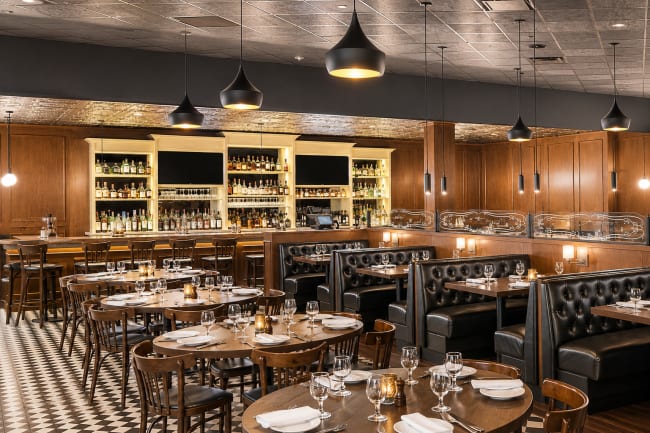
Union House installation

Furniture installation at Union House - Genesee, WI.

Contemporary Steakhouse

Bold Materials, Lasting Comfort, and a Sense of Occasion

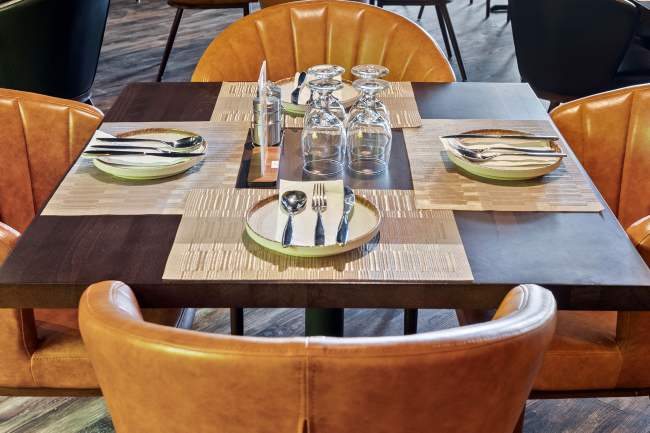
Steakhouses are built around meals that encourage guests to slow down. Business dinners, celebrations, and multi-course meals often keep parties at the table for two hours or longer, making privacy and comfort essential parts of the experience. Larger tables, generous spacing, and upholstered seating create an environment where guests can relax without feeling rushed.

Rich wood finishes, stone surfaces, premium upholstery, and statement lighting reinforce the sense of permanence and craftsmanship guests expect from a premium steakhouse. Rather than relying on changing design trends, these materials create a classic atmosphere that continues to feel appropriate as the restaurant evolves.

Before choosing table sizes, test a complete setting with steak platters, shared sides, bread service, and multiple glasses. Consider which items arrive together and where wine bottles or coolers will be placed. Where tableside service is offered, allow staff room to work without reaching across guests or blocking neighboring tables.

Contemporary Upscale Dining

Modern Design That Lets the Dining Experience Take Center Stage

Contemporary upscale restaurants often place greater emphasis on the food, architecture, and overall atmosphere than on decorative themes. Open layouts, natural light, and carefully selected materials create a dining room that feels refined without becoming overly decorative, allowing the cuisine and service to remain the focus.

Because these concepts frequently evolve with changing menus, chefs, or seasonal offerings, flexibility is equally important. Adaptable furniture layouts, durable finishes, and timeless materials make it easier to refresh the restaurant over time without losing its overall character.

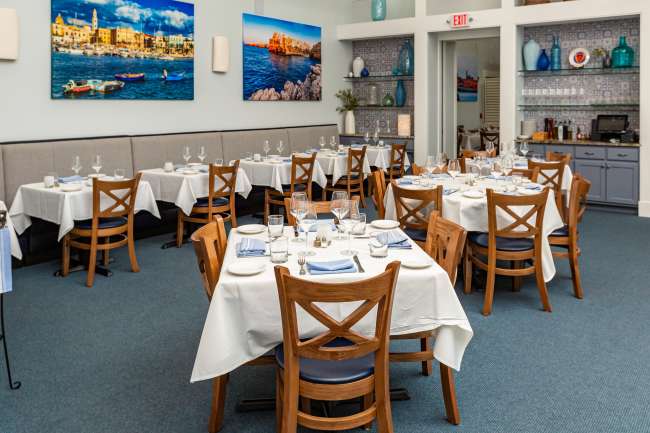
Divieto installation

Furniture installation at Divieto Ristorante - Miami, FL.

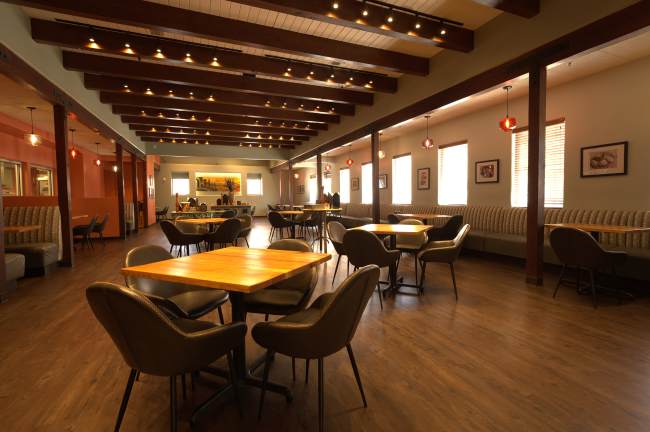
M'Tucci installation

Furniture installation at M'Tucci's Italian - Albuquerque, NM.

Classic Italian Dining

Warm Hospitality Through Comfortable, Familiar Design

Italian restaurants are designed around conversation, shared dishes, and gathering with family and friends. Guests often spend extended periods at the table, so the dining room should feel welcoming and relaxed while accommodating a variety of group sizes.

Flexible table arrangements allow staff to combine seating for larger parties, while warm wood finishes, upholstered seating, and layered lighting create an inviting atmosphere that encourages guests to linger. Rather than relying on themed décor, many contemporary Italian restaurants use quality materials and familiar architectural details to express hospitality in a timeless way.

Mediterranean Dining

Rich Materials That Reflect Culture and Craftsmanship

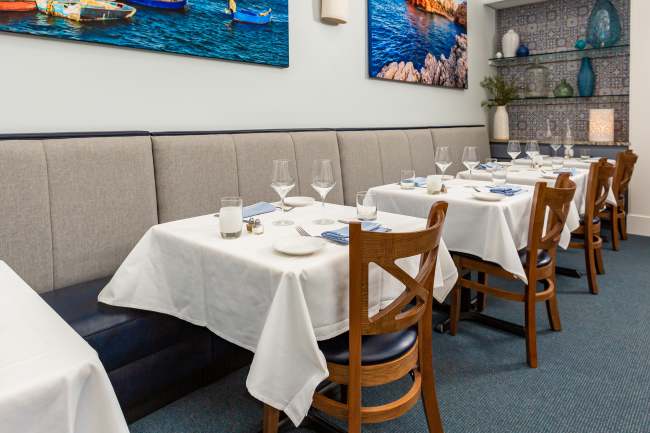
Mediterranean restaurants often use architecture and material selection to reinforce the traditions behind the cuisine. Natural stone, decorative tile, textured plaster, wood, and handcrafted details create spaces with warmth and visual richness while complementing a relaxed style of dining.

These restaurants also encourage relaxed, social dining where guests linger over multiple courses. Comfortable booths, upholstered seating, and warm lighting support that style of service, while architectural details help create a memorable atmosphere without overwhelming the dining experience.

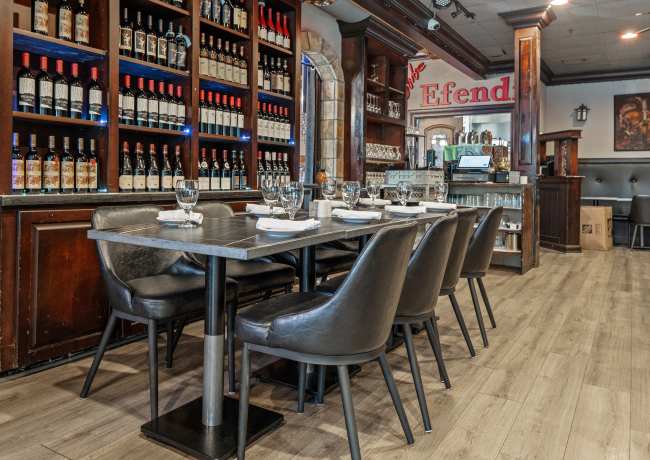
Cafe Efendi restaurant design installation

Furniture installation at Cafe Efendi - Alpharetta, GA.

Nunzio restaurant design installation

Furniture installation at Nunzio - Hilton Head Island, SC.

Independent Fine Dining

Design That Reflects a Unique Culinary Identity

Independent fine dining restaurants are often shaped by the vision of a chef or ownership team rather than an established brand. Every design decision should reinforce that identity, creating a dining room that complements the cuisine, service style, and overall guest experience.

Because every project is unique, custom furniture, carefully selected finishes, and distinctive architectural features are often used to create a cohesive environment that cannot be easily replicated. The goal is to create a setting where every element contributes to a memorable dining experience.

Design Takeaway

Every upscale restaurant concept has its own personality, but successful designs begin with the same question: How should guests experience this restaurant? Once that answer is clear, decisions about the layout, furniture, materials, and lighting become much easier to make. The most successful restaurants use those elements to support the way people dine while creating spaces that remain functional, distinctive, and relevant for years to come.

Choosing Furniture for Upscale Restaurants

Furniture is one of the defining elements of an upscale dining room. Every chair, table, and booth influences how guests experience the restaurant, from the comfort of a two-hour dinner to the overall character of the space. Successful upscale restaurants select furniture that complements the architecture while standing up to years of commercial use. The following recommendations reflect the furniture styles most commonly found in contemporary upscale restaurants and steakhouses.

Chairs for Extended Dining

Comfort, support, and material selection influence how guests experience a long meal.

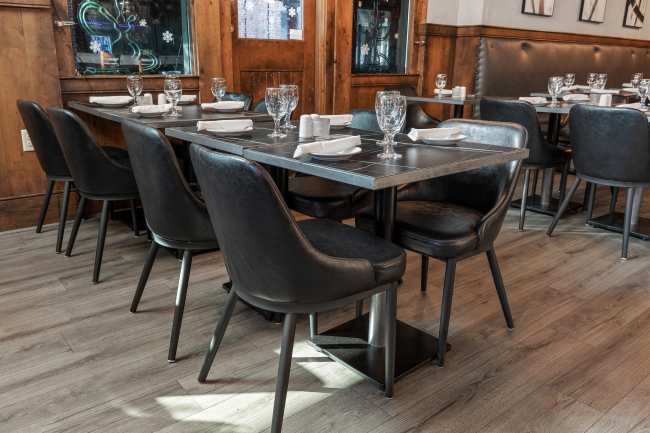
Upscale restaurants typically favor upholstered wood chairs, fully upholstered side chairs, and matching armchairs that provide lasting comfort without sacrificing durability. Upholstered seating softens the dining room while encouraging guests to relax through multiple courses.

The chair style should complement the restaurant's architecture rather than compete with it. Traditional steakhouses often pair solid wood frames with commercial-grade upholstery, while contemporary restaurants may prefer lighter wood finishes and textured fabrics. Commercial-grade construction and high-quality upholstery ensure the chairs continue performing through years of daily service.

Evaluate a sample chair with the proposed table. Check seat depth, back support, and usable seat width, and confirm that armchairs fit beneath the table apron. Have several people try sitting and standing, and consider whether the chair is manageable for guests and for staff moving it during cleaning.

Tables That Balance Elegance and Performance

The right table becomes part of both the restaurant's appearance and its daily operation.

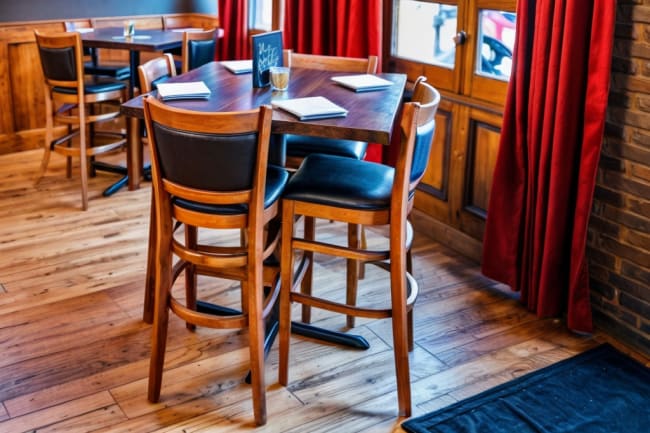
Solid wood table tops remain a favorite for steakhouses and traditional dining rooms because they add warmth and develop character over time. Contemporary restaurants frequently combine wood, stone, or premium laminate surfaces with heavy-duty steel or cast iron bases for a refined commercial appearance.

A mix of two-top, four-top, and larger tables gives operators flexibility throughout service while maintaining a consistent dining room layout. Durable commercial-grade construction helps preserve the restaurant's appearance despite years of constant use.

Confirm that each base is suitable for the top's dimensions, weight, and material. Check legroom at every seating position, including where tables will be joined. Obtain care instructions for the exact surface and finish, including any protection required beneath hot serving dishes.

Booths That Create Comfort and Privacy

High-back booths remain one of the defining features of many upscale dining rooms.

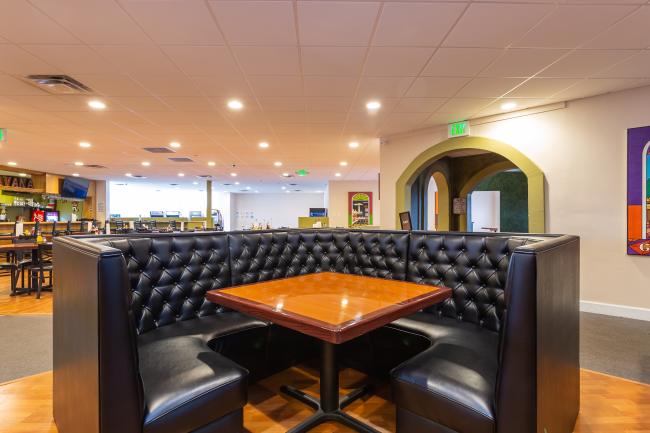
Booths naturally create privacy between parties while reducing background noise and making the dining room feel more intimate. They also help organize the floor plan by defining seating areas without adding permanent architectural barriers. Their fixed footprint creates a structured layout that helps maintain consistent table spacing while supporting efficient circulation.

Custom upholstery, wood trim, back design, and other tailored details allow booths to reinforce the restaurant's overall design. When built with commercial-grade materials, they provide long-term durability while becoming one of the most recognizable features of the dining room.

Review the booth, table, and base as one seating arrangement. Check entry space, access to inner seats, and how staff will serve and clear each place. Ask how upholstery can be repaired and whether seats are removable for maintenance. High backs provide visual separation, but acoustic privacy depends on the wider room design.

Design Takeaway

Furniture should support the restaurant's concept as much as its daily operation. Well-specified commercial chairs, tables, and booths create comfortable dining environments while providing the durability and performance required in upscale restaurants.

Materials, Lighting & Finishes

Materials, lighting, and finishes shape the atmosphere of an upscale restaurant, but they also determine how well the space performs over time. Every surface is exposed to constant use, from chair upholstery and table tops to flooring, millwork, and decorative lighting. Selecting commercial-grade materials and finishes helps restaurants maintain a consistent appearance while reducing wear, simplifying maintenance, and supporting years of daily operation.

EFendi Clear Coat

Premium Materials

Choose materials that combine visual appeal with commercial durability.

Natural wood, stone, metal, and commercial upholstery remain the foundation of many upscale restaurant interiors because they provide lasting character while performing well in demanding environments. Selecting quality materials from the beginning helps reduce maintenance and keeps the dining room looking its best over time.

Turmerica Lighting

Architectural Lighting

Warmer lighting for longer meals and conversation.

Ambient, accent, and task lighting should work together to provide comfortable illumination throughout the restaurant. Natural daylight can brighten daytime service, while decorative fixtures and focused lighting help define architectural features and create visual warmth during evening dining.

River Oak Restaurant Finishes

Commercial-Grade Finishes

Specify finishes designed to maintain their appearance through daily use.

Commercial-grade stains, laminates, powder-coated metals, and protective coatings help furniture resist scratches, stains, and everyday wear. Consistent finish selections also make future repairs, replacements, and renovations easier to manage while preserving the restaurant's overall design.

Design Takeaway

Premium materials, layered lighting, and commercial finishes help upscale restaurants maintain their appearance while reducing maintenance and supporting years of dependable performance.

Specifying Furniture for Long-Term Value

Designing an upscale restaurant is a significant investment, and the decisions made during the planning process should continue to support the business for years after opening. Specifying commercial furniture, finishes, and materials from the beginning creates a consistent foundation for future maintenance, repairs, and renovations. Well-documented specifications also make it easier to preserve the character of the dining room as individual pieces are repaired or replaced over time.

Designing for the Future

Restaurant interiors experience constant use, making wear inevitable regardless of the quality of the original installation. Chairs may need refinishing, booths eventually require reupholstery, and tables occasionally need replacement. Recording furniture models, finish schedules, upholstery selections, and custom booth specifications allows these updates to be completed without compromising the original design.

Maintaining Design Consistency

The best restaurant renovations build on the strengths of the existing space rather than starting over. Working from established specifications helps ensure that new furniture, replacement pieces, and updated finishes remain consistent with the original design. Selecting commercial furniture with long-term availability and partnering with an experienced supplier can also simplify future projects while preserving the restaurant's overall appearance.

Long-Term Planning Comparison

Consideration Short-Term Decision Long-Term Approach
Seating Select products based on immediate availability. Specify commercial furniture with documented models, dimensions, and finishes for future replacement.
Tables Choose table tops and bases independently. Standardize table top sizes, base styles, and finish schedules for consistent replacements and renovations.
Upholstery Select fabrics based primarily on appearance. Record commercial upholstery specifications to simplify future repairs and reupholstery.
Booths Build custom booths for the initial project only. Maintain detailed booth specifications, dimensions, and upholstery records for future repairs or additions.
Wood & Metal Finishes Select stains and coatings as needed. Develop a finish schedule that keeps furniture and millwork consistent over time.
Maintenance Replace worn furniture as problems arise. Plan for refinishing, reupholstery, and repairs before full replacement becomes necessary.
Renovations Select new products during each renovation. Use established specifications to maintain a cohesive dining room as the restaurant evolves.
Replacement Planning Search for matching products after damage occurs. Specify furniture with long-term availability and maintain accurate product records for efficient replacement.

Design Takeaway

An upscale restaurant should improve with age, not lose the qualities that made it successful. Documenting furniture specifications, finish schedules, and material selections helps preserve the original design while making future maintenance, repairs, and renovations more efficient.

Keep labeled finish and upholstery samples with the written specifications, approved booth drawings, and replacement-part details. Ask suppliers about current replacement options without assuming products will remain available indefinitely. Natural variation, aging, and later production runs may also affect how closely new pieces match the original installation.

Closing Notes

Creating an upscale restaurant requires balancing architecture, furnishings, and operational planning to support both the guest experience and the demands of daily service. From the earliest layout decisions to the final furniture specifications, each choice contributes to a dining environment that reflects the restaurant's identity and continues to perform over time.

RestaurantFurniture.net supplies commercial chairs, booths, tables, bar stools, and custom furniture for upscale restaurants, steakhouses, and fine dining concepts. With durable commercial products and custom manufacturing capabilities, we help designers, architects, and restaurant owners create dining spaces built for long-term success.